
The collaboration of SoFi indicates that stablecoin can be a new alternative for blockchain payments.
#Stablecoin#Block chain#Payment system#SoFi#Mastercard other
What's going on?
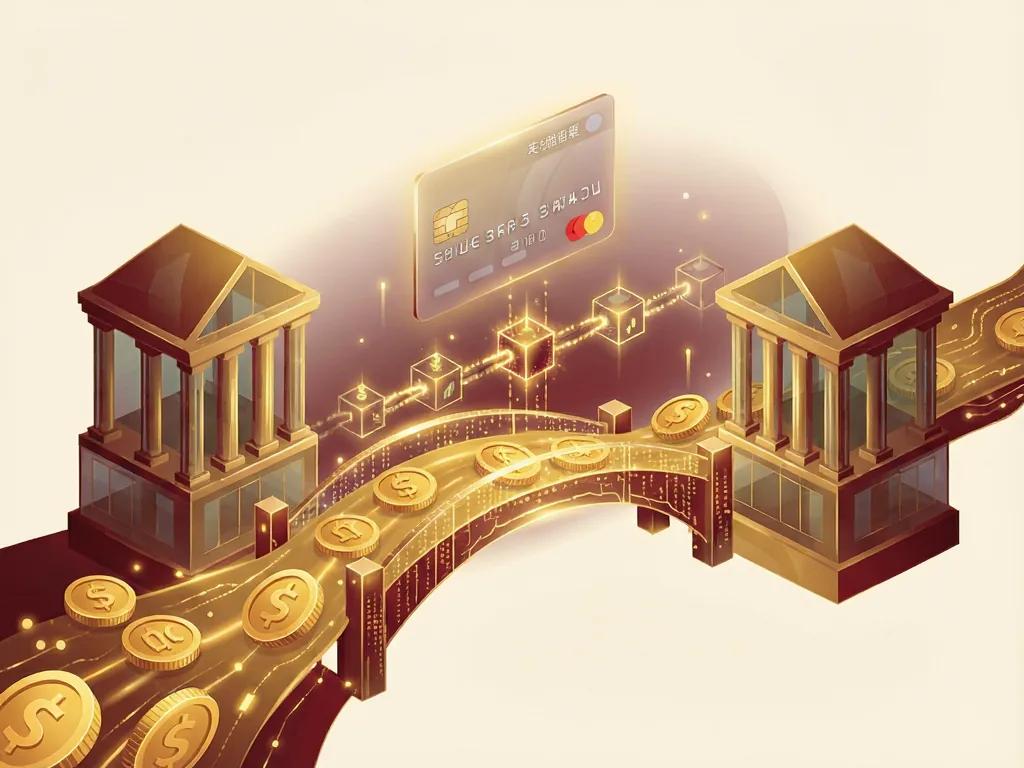
SoFi U.S. Bank began using its own stablecoin, SoFiUSD, for payments on up to Mastercard debit and credit card transactions instead of traditional currency, stating that it would move all the card programs which are expected to have an annualized transaction volume of over $25,000 billion to this system.

Not only that, Visa has also expanded its stablecoin payments, announcing in April that the pilot program will have an annualized transaction rate of up to $7 trillion with acceptance for 9 blockchains and calling blockchain payments a "really viable alternative to traditional payment systems".
Who will be replaced?
The answer is not a Visa or Mastercard but an "inter-institutional payment system" that has relied on the banking system for its time.
Martins Benkitis, CEO and co-founder of Gravity Team, a blockchain provider in emerging markets told Cointelegraph that "I don't call this disintermediation; at this stage Visa with Mastercard is still the bank, it's still the network to calculate debt management and determine how participants will respond".
SoFi's spokesperson asserted that the change does not eliminate middlemen, but instead adds an optional blockchain-based payment plan for SoFi customers.
Why is that important?
Research by the Federal Reserve in March suggests that stablecoins could change "the economics of payments" without eliminating banks
Varun Datta VC investor and founder of Truth Ventures believes that continuous payments help reduce delays and reduce the amount of capital companies have to invest at various points, especially across borders. But he cautions that speed does not automatically translate into payment:
Requirements that the newborn market must meet
An interesting point for users in Thailand and Myanmar is that stablecoin dollars can move value between balance sheets within minutes, but "cash receipts" must be exchanged into local currencies. Benkitis notes that the new market has a poor reputation with some local banks accepting smaller flows and still need access to domestic banking systems.
"Stablecoin sends value very quickly, but you still need to have a local wallet in order to close the payment", he said.
In Thailand, digital transactions must go through the rules of the SEC (Thailand) and exchanges are conducted through authorized channels. While in Thailand, banking systems have restrictions on stablecoins being used as a means of receiving or transmitting value, local cryptocurrency exchanges face similar quality issues.
What does it change for us?
If stablecoins become an important part of a payment system, "most businesses don't care where the stablecoin is in the process", Benkitis said.
This is what's changing behind the scenes Money runs 24 hours a day, no banking time The user experience remains the same
Related articles






Comments (0)