
Qivalis, the designer of Europe's stablecoin has seen a major shift in global trade finance.
#Block chain#stablecoin other#trade finance#Other medicinal products#Money across the border
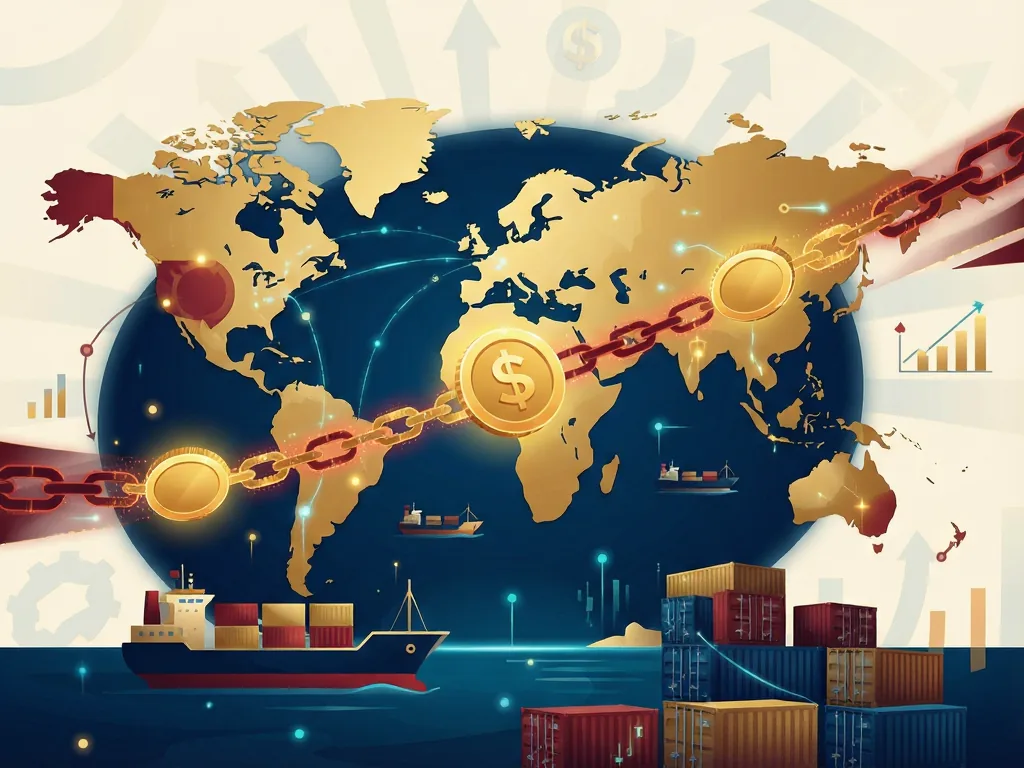
stablecoin is changing Trade Finance How?
Trade finance, or lending to support the liquidity of businesses engaged in international trade, has long been seen as another area suited for digital ledger adoption and now it is becoming a reality. Qivalis, which issued stablecoin euro-denominated securities, revealed that the sector was undergoing major changes driven by $ stablecoin .
Of the stablecoin actual uses, it has already had a significant impact on cross-border payments, but what's being fundamentally changed is the use case for trade finance in particular.
Why did the bank start participating?
Jan-Oliver Sell, CEO of Qivalis revealed that the company has opened up banks in Europe to join 37 systems over the past year. This figure reflects that traditional financial institutions have started accepting stablecoin not just as an option but as part of their actual infrastructure.
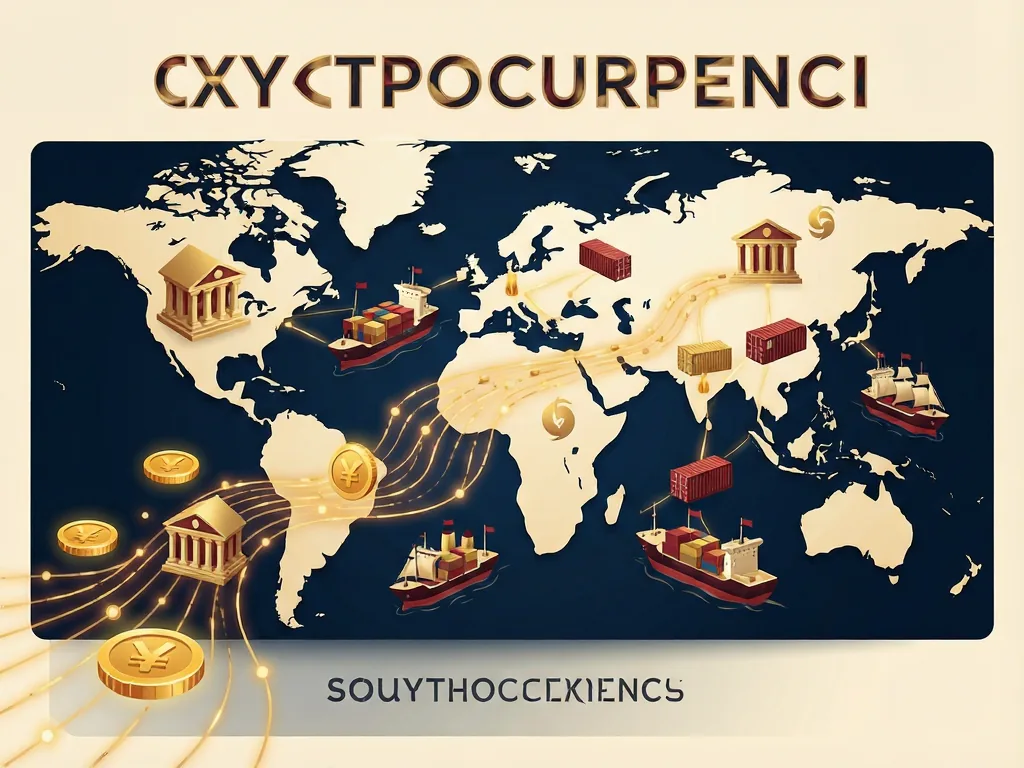
Interviews with players in different ecosystems indicate that trade finance has become a major focus in many regions, including Asia, Latin America and Africa.
What's the big change?
Sell explains that the trade finance fund, which is primarily engaged in providing monetary instruments and buying and selling commodities, is seeing a clear turnaround. All supply chains are operating with stablecoins without having to convert back into paper currency (off-ramp).
He gave an example to illustrate: Suppliers in East Africa trade with their counterparts in Kazakhstan, everything is done through stablecoin and they don't have to convert it into any other currency.

What are the outcomes for business?
The tangible benefit is the speed of collateral. It means that securities are moving much faster, and all business models have changed because you can turn a security around in minutes instead of days. Sell said
For import-export businesses both in Europe and the Asian region including Thailand, this trend means that international currency trading costs may decrease as more financial institutions begin to install stablecoin genuine cross border merchants will have faster payment options than traditional international money transfer systems.
Related articles






Comments (0)