
What a beginner should know
#Ethereum and#staking and#♪ I've got a new name for you ♪#liquid staking other#The risk of cryptos

staking คืออะไร
Since Ethereum changed to use the mechanism Proof of Stake network does not rely on a hacker ( miner ) anymore, but instead "inspectors" or validator instead of validator , will lock ETH as security ( staking ) and then be selected for a period to submit or verify new blocks. If done correctly, they are rewarded with an answer as ETH .
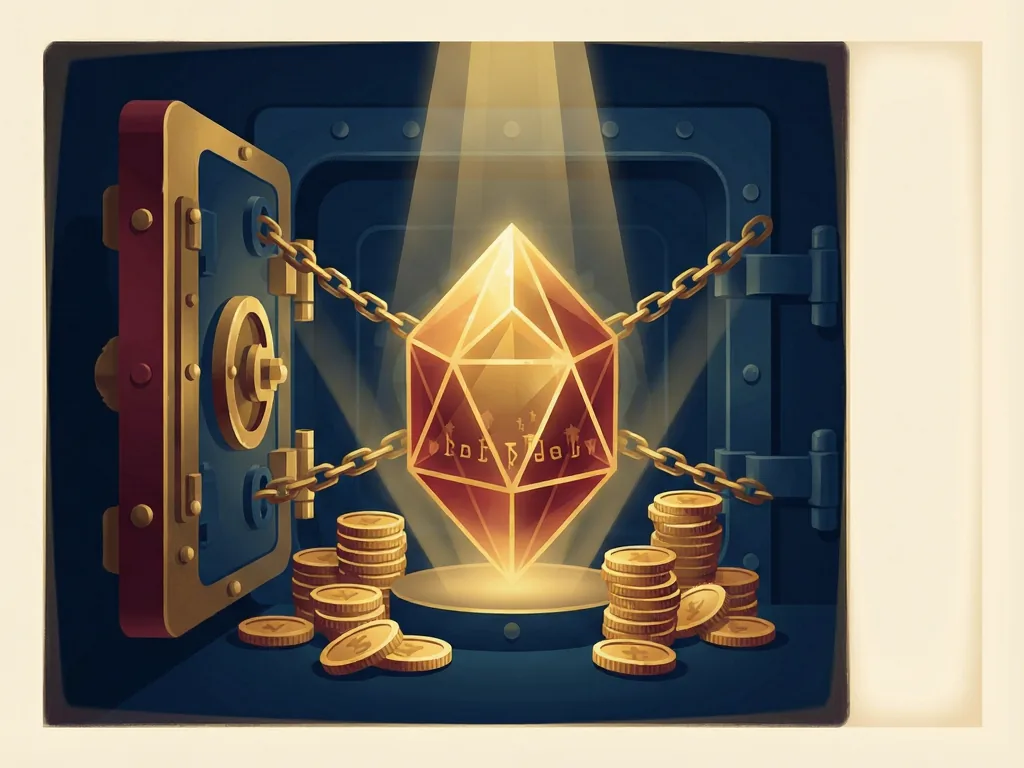
Why is there a staking pool?
Playing validator on your own requires that you use the number 32 ETH equipped with technical devices to be connected almost all of the time, which is a large amount of money beyond most beginners' hands. The alternative method is to use the staking pool or service liquid staking which combines ETH small numbers from many users joined together to stake jointly by often issuing receipt token instead of our stake position
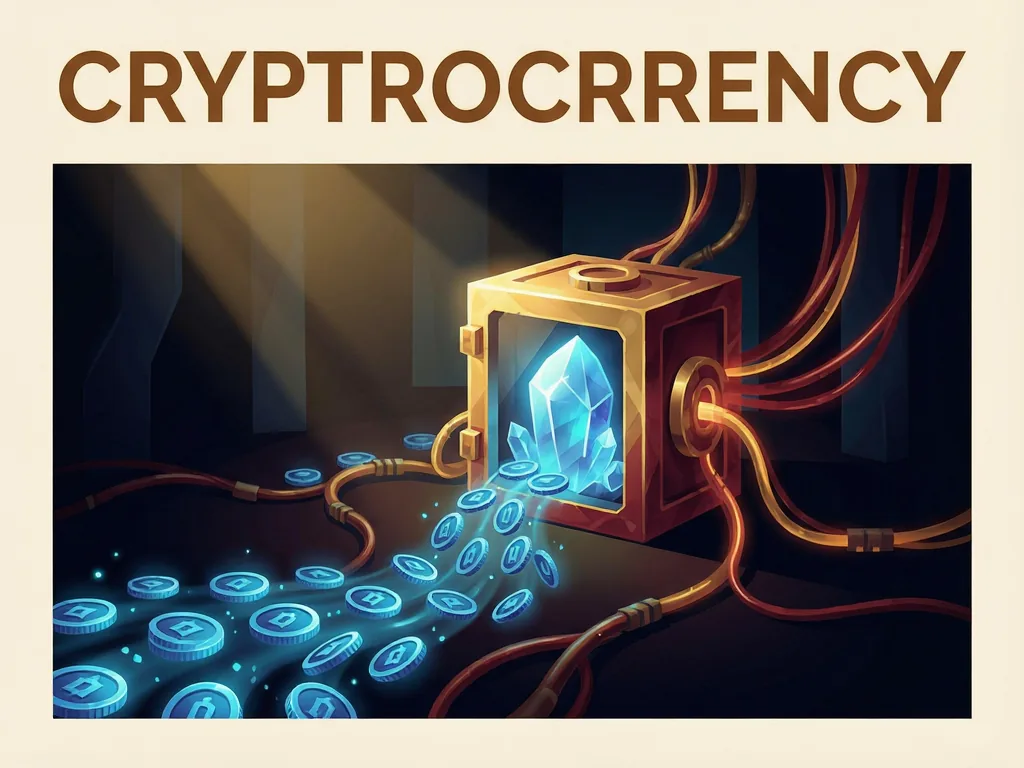
What are the risks?
- Slicing: If validator is offline or acts in the wrong way will be deducted fines, so that money at stake can be reduced
- The risk of an artificial contractMoney in the staking pool depends on the security of that provider's smart contract , which is a risk separate from the network itself.
- ราคา token เบี่ยงเบนliquid staking token may be purchased at a price different from the ETH that is in stake below
What should beginners do before deciding?
This article only describes the staking mechanism, does not predict future rewards or price direction and does not recommend any particular provider. Interested parties should always read the specific terms and conditions, withdrawal period and risks of their chosen method in detail before participating
Related articles





Comments (0)