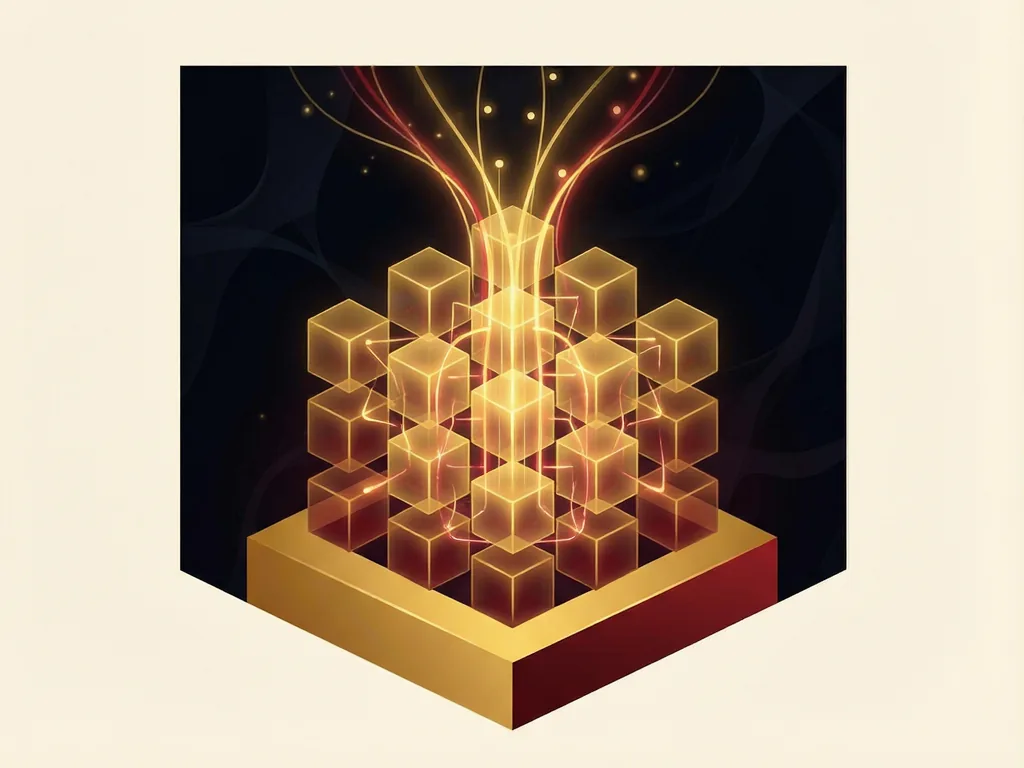
Level 2 is what? Deep Expansion Scale of Ethereum
#Ethereum and#DeFi and#blockchain other#layer 2 and#rollup and
What problems do these networks solve?
Blockchains have a well-known limitation in the industry: The "scalability trilemma". Having high security, high reliability and accepting large numbers of transactions at low prices all at once is very difficult.
The result is that the number of transactions directly processed is limited and listing fees are not cheap, especially during network outages.
layer 2 How does it work?
The Layer 2 network is a separate system built on top of Ethereum, which takes transactions to be processed off-chain first and then sends the summary or proof back up to Ethereum for final verification. This method allows Layer2 to get most security from Ethereum but offers lower fees and much faster transaction confirmation.
There are two commonly encountered design approaches: the first is to create an image of a person's face.
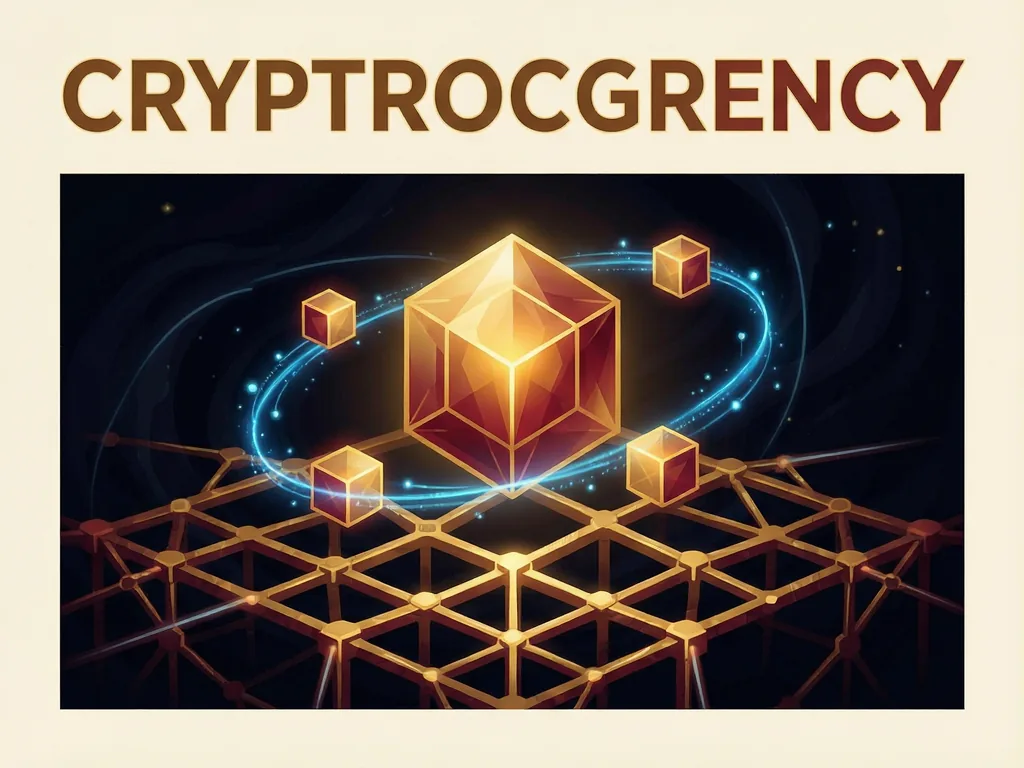
- Optimistic . Assume that the transaction is legitimate unless there are disputes within a specified time frame
- ZK rollups (zero knowledge) Using proof of entry to verify that the transaction is legitimate before concluding the final step
Networks that actually work on Ethereum in the form of rollup such as Arbitrum , Optimism and zkSync This information is a description of the working mechanism, not a recommendation to use or buy any network
What is the impact on users in general?
For daily users, the tangible benefit is that activities such as exchanging tokens or using the DeFi app will only cost a fraction of the fees on Ethereum mainnet while ultimate security still relies on the same Ethereum .
What should I be careful of?
Transferring money between layer 1 and layer 2 via "Bridge" carries its own risks, such as a bug in the bridge's virtual contract.
Related articles


Comments (0)