Discussing tokens and the gap that no one can fill alone.
#Eight hundred and eighty thousand#The SEC#It's a digital asset#The stock token#Supervisory direction
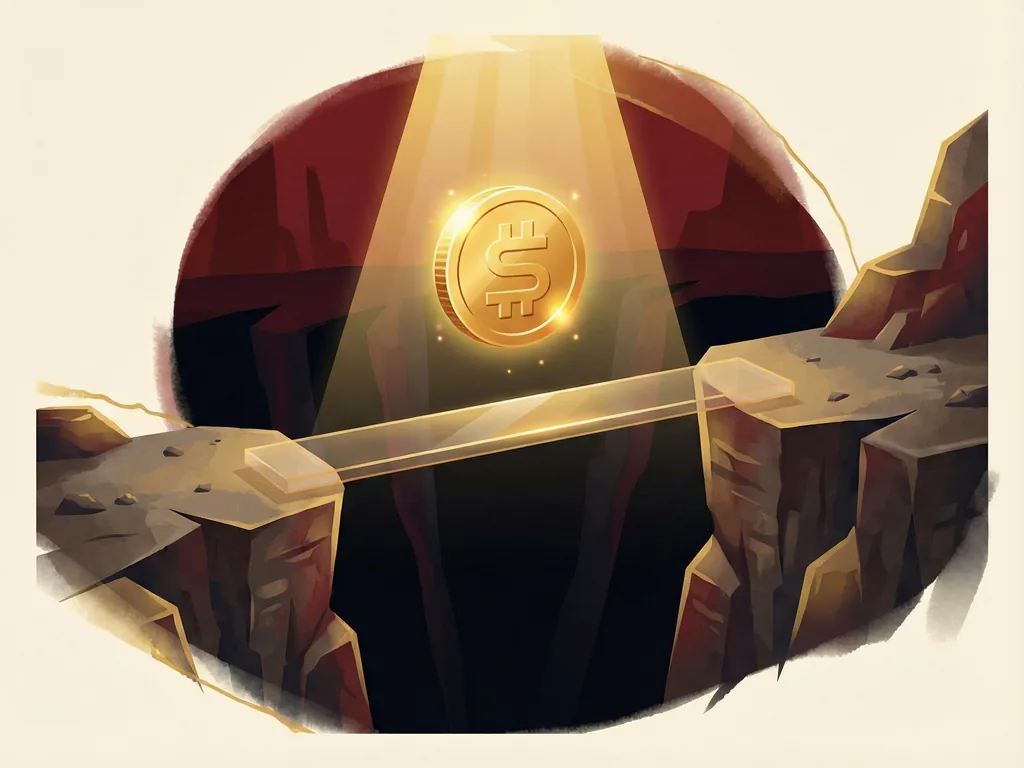
How does a wrapped stock token work?
A wrapped stock token is a digital asset that quotes the price of shares in an actual market such as Robinhood Stock Tokens, which cover more than 190 stocks distributed to users in 120 countries with designers like xStocks and Ondo offering similar services but using different technical infrastructure.
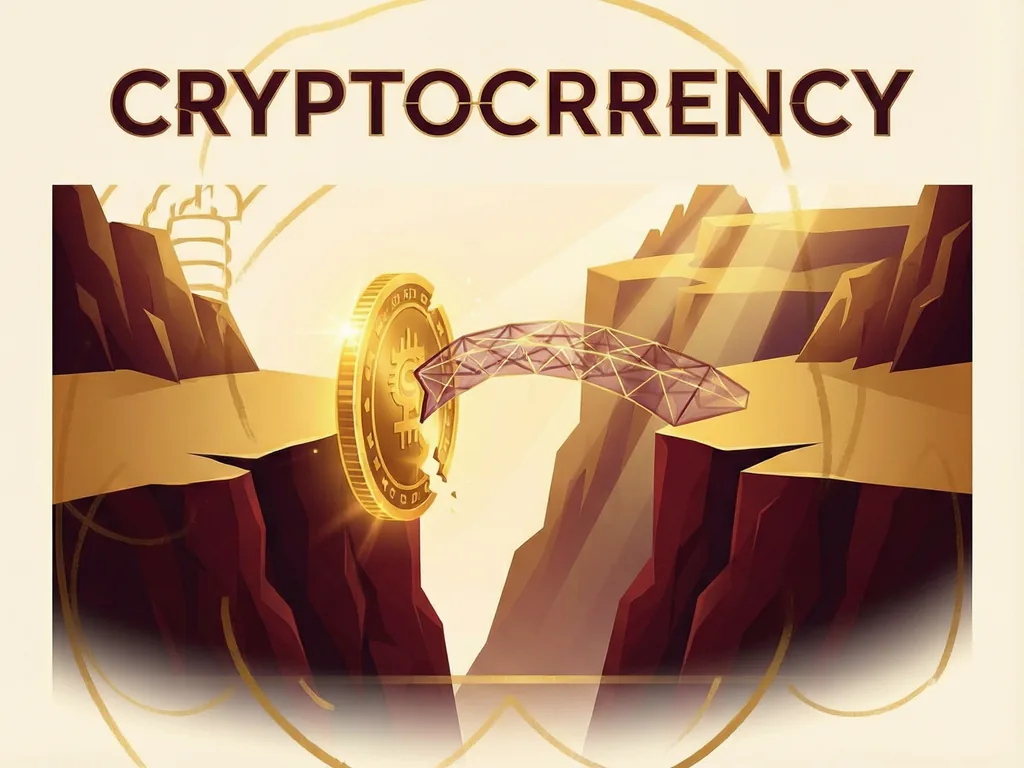
The selling point is that emerging market investors who have access to U.S. stocks, which are difficult or expensive, can buy through tokens without opening a foreign brokerage account, without getting approval from the issuing company, without registering in stockholders' registries and without obtaining licenses in each country.
Why does the SEC place a trading ceiling at 0.25%
On the US side, the SEC exempts by limiting onchain trading of large stocks to no more than0.25% that stock's average daily trading volume and no more.2.5% For other registered stocks, the goal is to minimize impact from price anomalies affecting physical stocks.
Meanwhile, tokens issued outside the US to non-US holders, including Robinhood's own, are out of SEC jurisdiction and can continue as normal.
When will the token price go crazy?
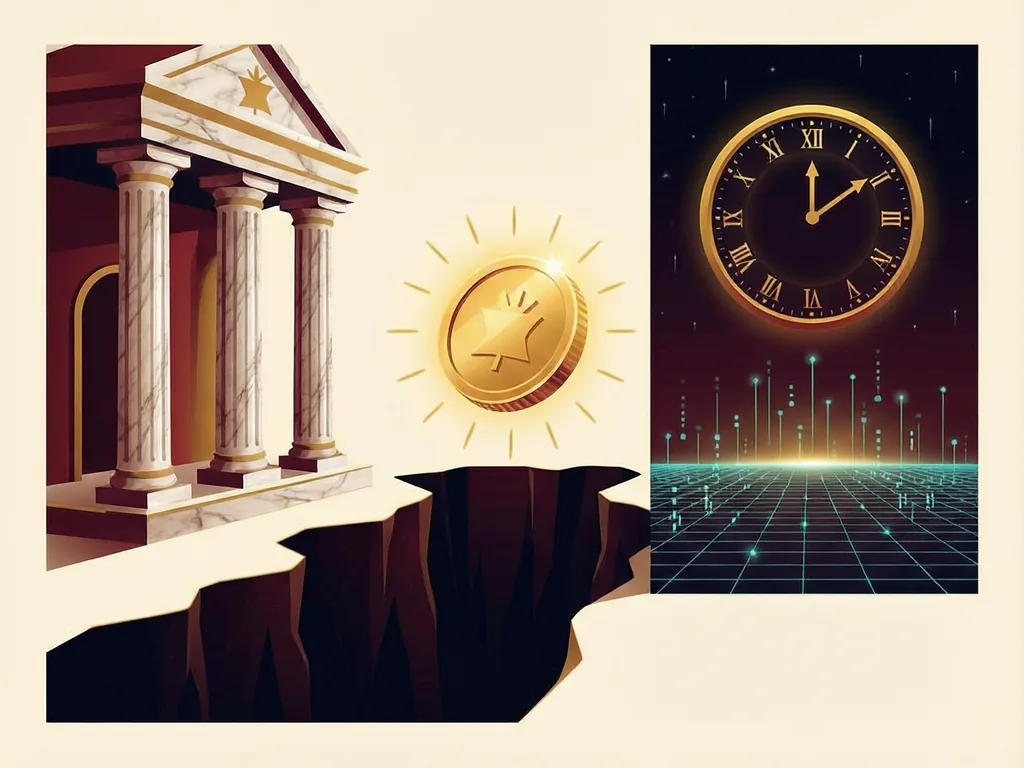
The main problem lies in market hours, the NYSE stock exchange is open only 32.5 hours out of a 168-hour week but price discovery does not stop when markets close because many retail and institutional brokers also take sell orders outside trading hours and hedge risks through overnight markets and derivatives.
However, the ability to purchase a large number of physical shares is greatly reduced when the stock market closes. Token holders have the right to demand but no market for conversion into real stocks outside the regular session. The difference between the token price and the last closing price of the stock during the close is therefore a risk borne by buyers and must be paid as prices close at the open.
What does that mean for users in Thailand and Myanmar?
For investors in Thailand, it's important to remember that tokens are not real stocks and the rights of holders include transparency from original issuers may not be as straightforward as holding a stock. The ease of distribution comes with counterparty risk.
Related articles
Comments (0)