
The Fed opened the door to its own stablecoin development banks, with a mandate for full collateralized reserves of 1:1.
#Eight hundred and eighty thousand#The crypt#The rules#The Fed#The Federal Reserve of the United States
- What's going on?
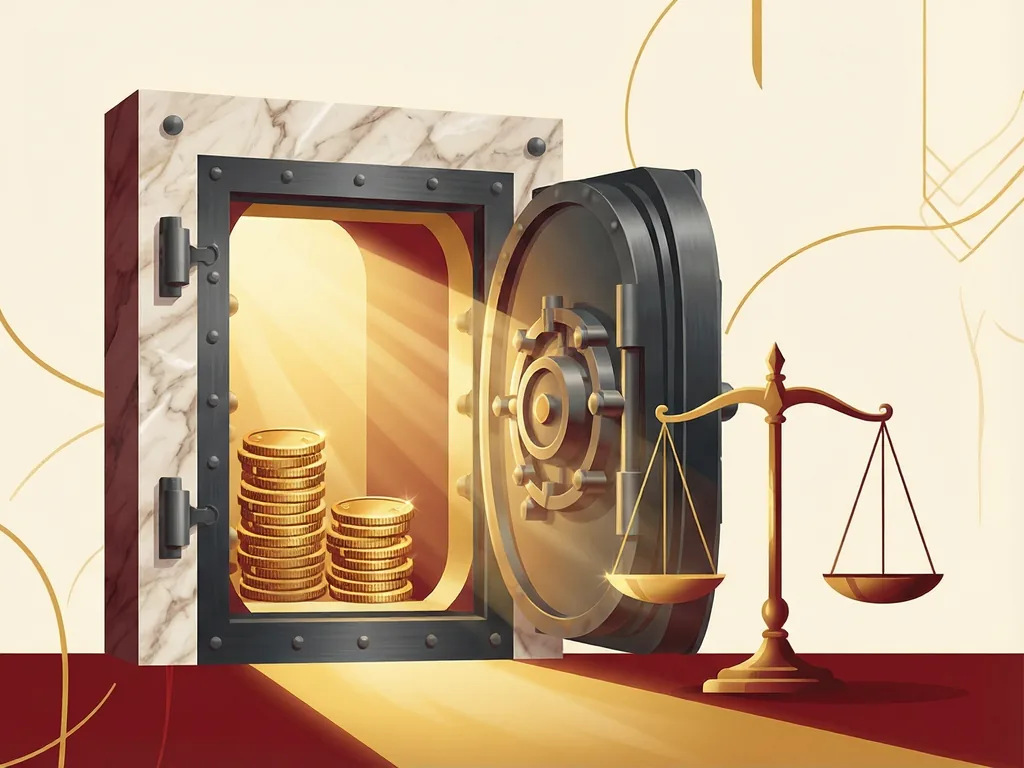
The U.S. Federal Reserve has introduced a new policy that will allow financial institutions in the United States to issue stablecoin coins, or cryptocurrencies, with their value tied to US dollar bonds for the first time under one key condition: they must hold a reserve of coin-to-coin ratios; i.e., as many dollars are issued, there should be an equal amount of collateral.

Why is the 1:1 rule important?
The biggest problem of stablecoin in the past was the question, "Where's the real back-up?" The Stablecoin algorithm coin crash in mid-2022 left its holders with a huge deficit. A lesson that made people understand that if the coin didn't have any real assets to back it up when the market panicked and everyone rushed back at once, the dollar would instantly fall.
So the Fed's 1:1 rule is to eliminate this problem from scratch, which means that a new U.S. Bank coin will have dollars or equivalent assets backing it at full value and there's much less risk of the currency being worthless.
How are crypto users affected in Thailand?
This is a sign that major U.S. financial institutions are starting to get involved in stablecoin transactions seriously, and if this happens, users around the world including Thai investors who trade through shopping centers like Bitkub may see new options besides USDT and USDC.

For Thais, the issue is whether these new stablecoin s will be approved for trade in Thailand because calculation of value in dollars and cross-border transfers still depends on each country's regulations.
In Myanmar, where access to banking is scarce and cryptocurrencies are used for transactions and storing value instead of cash, the stablecoin that central banks accept could help increase trust in digital tools people actually use.
What's next?
The next thing to look at are the details of how that reserve is held, whether it's deposits or bonds or assets, and who oversees those holdings in a transparent way, because these two things are central to making the 1:1 rule meaningful in real life, not just on paper.
Related articles






Comments (0)