
[alloc] init Launches Shielded Bitcoin offering for private bitcoin trading
#Eight hundred and eighty thousand#The bitcoin#The privacy#Shielded Bitcoin#The metaprotocol

What is shielded bitcoin?
Shielded Bitcoin is a metaprotocol proposal for privacy on the base layer of bitcoin, initiated by alloc init researchers Clara Shikhelman, Misha Komarov and Aleksei Moskvin. It allows shielded transactions without an operator, no soft fork, and no customization of bitcoins in any way. Details are spread through whitepapers and team blog posts.

Why is this proposal important?
On-chain bitcoin transactions are public, anyone can track uploads and addresses. Shielded Bitcoin wants to solve this problem by embedding encrypted transaction data in regular bitcoin transactions via OP_RETURN, a witness field or some other way of embedding the information using prefixes like "shbtc:" The bitcoin network doesn't need to monitor or enforce any rules with this information.
How does the system work?
The architecture is designed to resemble Bitcoin in almost every way: it's built from scratch.

- The Note replaced the UTXO. A transaction uses notes as an input, just like a normal bitcoin transaction.
- The indexer replaced the inspection schedule. An indexer that tracks passive blockchains filters out illegal transactions and doesn't lead to constant top updates.
- Nullifier set instead of subtracting UTXO Users publish proof, encryption and a nullifier to confirm that the note has been used without disclosing which one. Even if there is no nullification, it does not guarantee double-spending.
- Zero-knowledge proof Prove four things: note is in the merkle tree, transaction authorized by correct sk_spend key, nullifier calculated correctly and no inflation
On the key side, a user creates one master secret key and then breaks out subkeys like an HD wallet: sk_spend (private key), sk_nf (use to nullify), vk_in/vk_out (used to view incoming-outgoing transactions) and sk_view (create addresses for receiving money). The recipient generated from diversifier value d multiplied by sk_vision gets pk_d while the sender generates random r_seed to encrypt note which has only 3 things that are encoded: value, d-value and r_sow.
It takes something to make it work.
Just one Bitcoin node and a shielded Bitcoin indexer, not relying on any provider coordinator or off-chain status to retrieve funds like bitcoin on the chain that only needs its own code and keys.
What's the peg going to be?
The team plans to use PIPEs v2, which is a witness encryption technique that encapsulates the private key with the program to reveal it only when ZK-proof confirms certain conditions are true (e.g., UTXO status or transaction has been confirmed). This allows pegs to work without any third party operator, federation or custodian of funds; all occur completely off-chain: users deposit money into the system through keys controlled by the PIPE and then unlock the lock using ZK -proof peg out transactions verified on the chain.Bitcoin Magazine
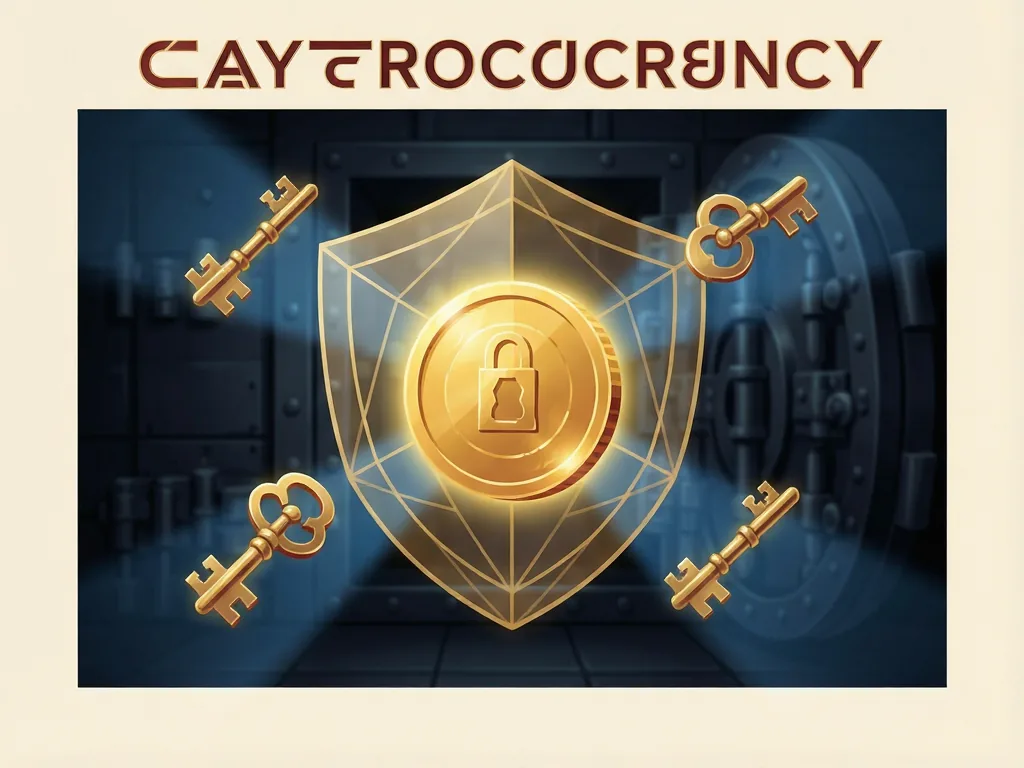
In terms of privacy attributes, the team notes that this system is on par with Zcash's shielded pools and doesn't have to worry about measuring privacy or remixing it around like a coinjoin.
This article has been translated and edited from Shinobi's report above.Bitcoin Magazine
Related articles






Comments (0)