Safe 7: An open-source hardware wallet that manages its own assets.
#Trezor to safe seven#The hardware bag#Look after the property#This is SLIP-39#Shamir backed up
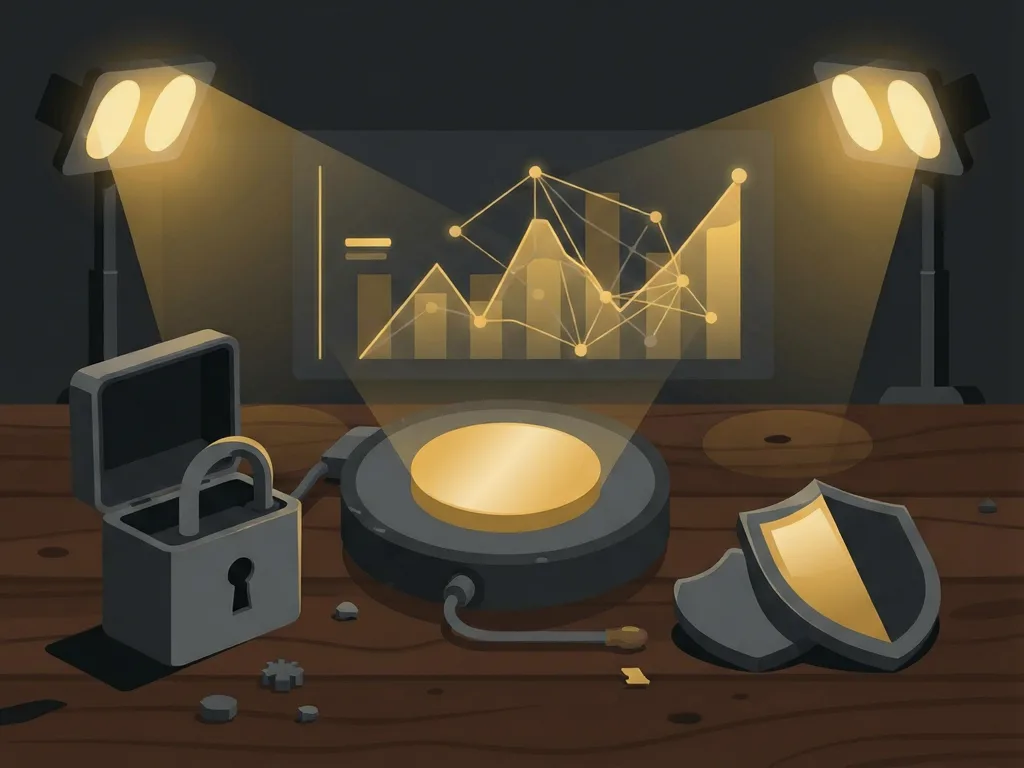
Trezor unveiled a new hardware wallet called Safe 7, which is a private key storage device for Bitcoin and other cryptocurrencies designed to let users own the assets themselves.
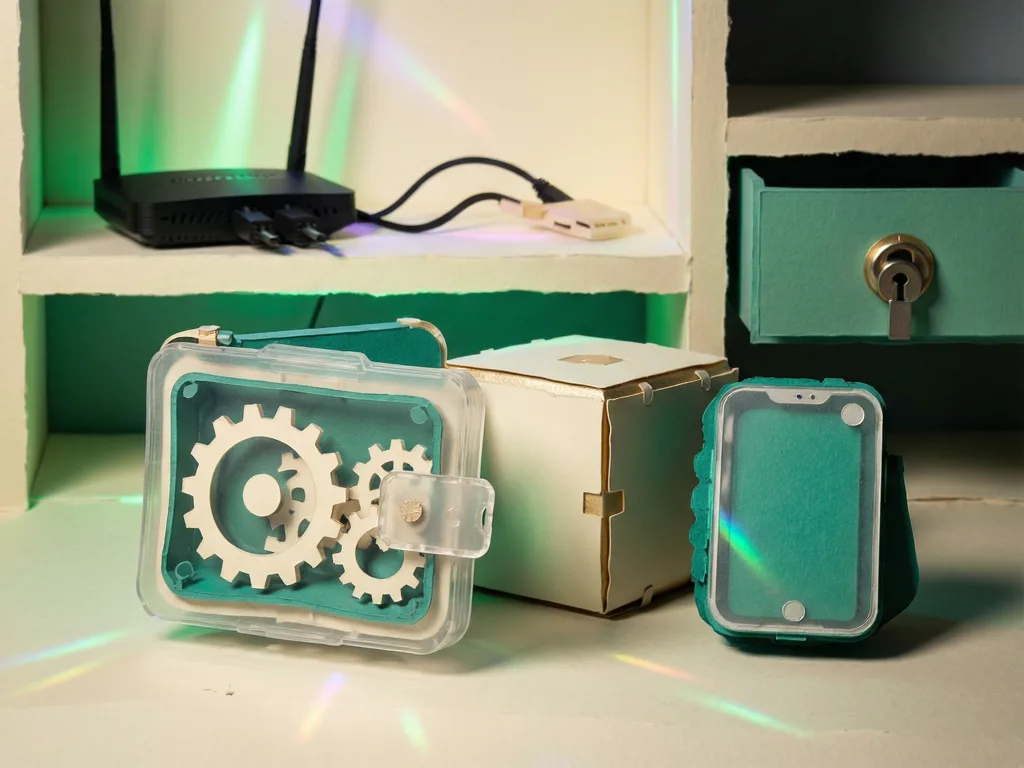
On the one hand, there's a whole decryption-based device that doesn't connect to the Internet and is open source for review; on the other hand, closed source focuses on beautiful design and smooth user experience like your typical IT product Trezor Safe 7, trying to blend both.
Why is this important to the people who own bitcoin?
Having your own key means that you are both the owner and ultimate provider of security, a small mistake like typing an incorrect PIN or making a lost seed phrase could mean losing all your money irrecoverably.
The Safe 7 comes with a metal body, an almost full-frame wide screen and a vibration feedback system designed to feel real when confirming transactions. Its most distinctive feature is that as the user presses a button repeatedly in order to approve the transaction, the machine vibrates slowly with a green light running from bottom to top. As the two lights line up at the edge of the top, the system accelerates the vibration and has a green LED attached.
Two firmwares for two sets of users.
Trezor divides the firmware into two versions, each of which can be customized to suit a user's preference but with different colors. The standard version accepts several coins: black and green; only the Bitcoin version is orange.
The resulting difference is that the Bitcoin version only gets fewer updates, as most other coins do. Trezor's support document explicitly states that the advantages of the Bitcoin firmware alone are infrequent updates and reduced risk from bugs or security issues.
20 words, not 12 or 24.
The point that people who have used other wallets will immediately notice is that the number of Safe 7 backups uses 20 words instead of 12 or 24 familiar ones. This standard, called SLIP-39, was first launched by Trezor in 20012019 with Shamir backup features.
Shamir enables users to divide the seed phrase into pieces, using a specified number of pieces so that it can be redeemed, but one piece is not enough. For example, by default two out of three people write down three sets of 20 words each and store them separately at banks, homes, and workplaces. If any one piece gets stolen or burned, it's not all lost because no single piece ever reaches the wallet, and the remaining two are recovered and transferred to new wallets.
Trezor makes it clear that 20 words don't give entropy over 12 words, which is still the same 128 bits, but the word list in SLIP-39 was carefully curated to avoid confusion or similarity.
The advantage of the SLIP-39 being able to do that, but not the BIP-39, is its expansion into Shamir later on. A user who builds a wallet with 20 single sets can create an additional three-in-five set of Shamir afterwards; these kits borrow their original wallets so they don't have to transact on line for money transfers, but should destroy the original 20-seed set because it also loans the same wallet.
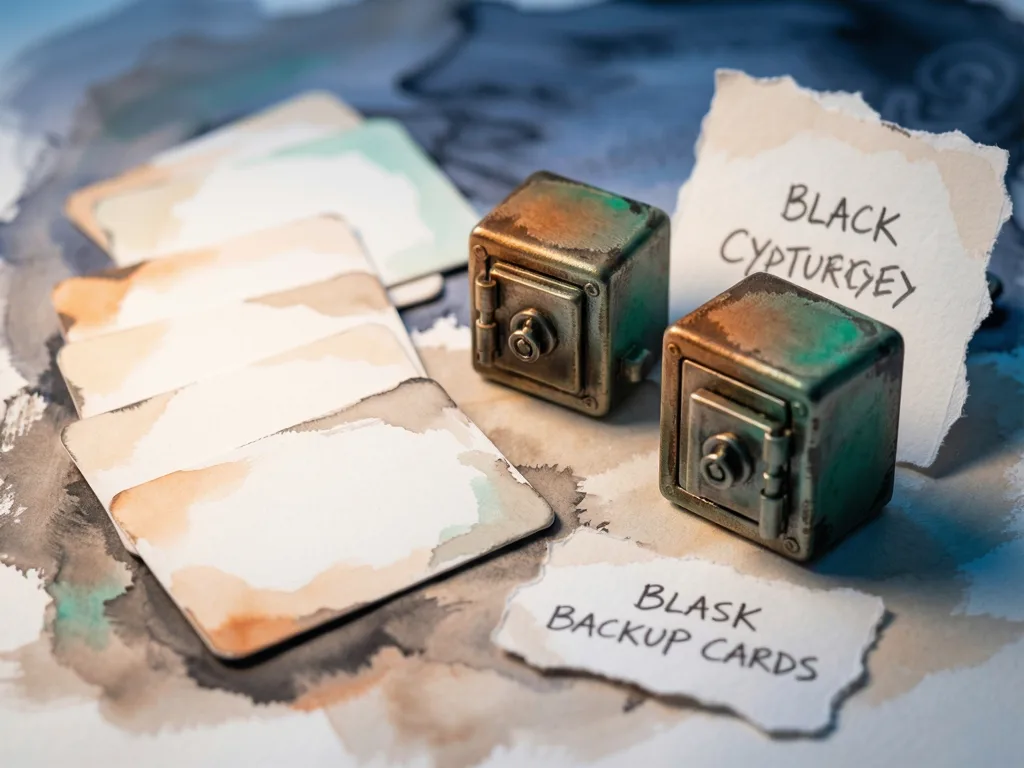
The SLIP-39 is also supported by other wallets such as the Sparrow and Electrum, but has received much less recognition than its predecessor.
The ultimate in user experience.
Compared to the Trezor Model T and the classic Trezor One, it's clear that they have been designed to make cryptocurrency more convenient. The buttons on the screen are much larger than those of the Model T, reducing typing errors especially when entering a PIN which in most hardware wallets can be erased by repeated mis-typing. This fingerprint button relieves unnecessary stress; this metal device gives you an adult feel.
One interesting feature is the Wipe PIN, a special code that when inserted at login will delete user information. Trezor's public documentation describes its operation but does not explain what purpose it serves to solve any problems or threats. Some spectral bitcoins require this feature to deal with low-probability but high impact situations such as "wrench attacks" in which thieves force users to unlock wallets.
The problem with the Wipe PIN in Trezor is that it clearly shows you've just erased your wallet information, which would not be pleasing to a thief in such circumstances. At least one hardware wallet makes a more sophisticated version: deletes the main wallet but opens the other "fake" wallet without revealing the trick.UI
The Safe 7 also has Bluetooth and a built-in battery that can be charged via Qi2 wirelessly. Users can use it through USB-C by turning off Bluetooth by default. This mode helps to avoid relying on cables, which reduces the stress of signing up for business.
The airgap principle and the new reality
No Trezor before the Safe 7 had a built-in battery or Bluetooth, so adding these technologies was a big decision that took advantage of what ordinary consumers expected from modern hardware but also added risk.
Internal batteries have had problems swelling and rupturing in many appliances. Trezor addressed this concern by opting to use LiFePO4 batteries, which the document states are "chemically more stable and safer than conventional lithium-ion batteries" and have a "very low chance of swelling".
Bluetooth refers to the addition of closed-source software and hardware stacks that enable remote communication, which overrides the airgap principle of Trezor's cold storage by isolating a Bluetooth pole and only sending encrypted messages from source to destination via the Trezor Host Protocol technology.
However, this wireless connectivity allows the Safe 7 to move out of its airgap or cold storage compartment and into a warm wallet that's more secure.
Hardware and entropy.
The lesson from coldcard is that cold storage doesn't mean anything if entropy isn't good.
Trezor has a detailed article on how to create and use the Safe 7 entropy using four sources: the enttropy from your computer or phone, TRNG hardware in an STM32 microcontroller, secure element Optiga and TROPIC01, which is a new type of "independently verifiable" security element. These four sources are combined when creating the wallet. The firmware that handles this logic is open source GPL 3.
Currently, Trezor is not open to entropy builders; there's no rolling of the dice, but users can add a passphrase or "25th word" to an already created account that does something similar.
Tomas Susanka, Trezor's chief technology officer explains to Efrat Fenigson that user entropy only makes sense when the code actually uses it. He points out that a Coldcard bug is not a failure of hardware enttropy but because firmware doesn't use high-quality software entotropy due to bugs.
Danny Sanders, Trezor's Chief Commercial Officer agrees but saysBitcoin Magazine that user entropy is "very much talked about" and "not necessarily a negative word", but the Trezor user base, which follows Sanders more than Coldcard "many times over", "cannot be asked to roll the dice". He adds: "They have as much psychological burden as typing", citing 20 seed words.
Delivery, phishing and data laundering.
Purchasing a hardware wallet online and then having it delivered to your home has become increasingly unpleasant. Trezor recently joined Ledger as one of the major cryptocurrency hardware providers whose user databases were hacked via delivery partner ShipMonk, with US trade records being compromised.67,000 The compromise was reported from the Shipmonk database earlier this month, which according to Trezor most records should have been deleted by the shipping company; the result is an increased risk of targeted attacks.[5]
For readers in Thailand who are interested in owning their own bitcoin, the most important thing to consider is convenience and privacy. Buying through a local broker may reduce the risk of data leakage, but it must be verified that they're reliable brokers and should be purchased from regulated channels rather than second-hand markets because devices can be tampered with before reaching your hands.
No matter how good the tool, the basic rules are still the same: create your own seeds, store multiple backups, don't take photos of them, keep them in your phone and test their recovery before you send a large amount.
It's a warning.
The content is merely summary information, not investment advice. Cryptocurrency prices fluctuate wildly.
Related articles

Comments (0)