
Ethereum testing the gas limit 200,000,000 on Sepolia as Glamsterdam moves forward
#What are you talking about#Eight hundred and eighty thousand#The Ethereum#The Sepolia#Layer one

The developers of Ethereum have pushed the Sepolia testnet into a significantly more severe scaling test, currently underway to estimate gas leakage per block at 200 million gas as part of work involving upgrading Glamsterdam. This test is about 60 million gas three times higher than its original target and rises to see how Clyde and validator will perform under the much heavier processing load on layer 1 .
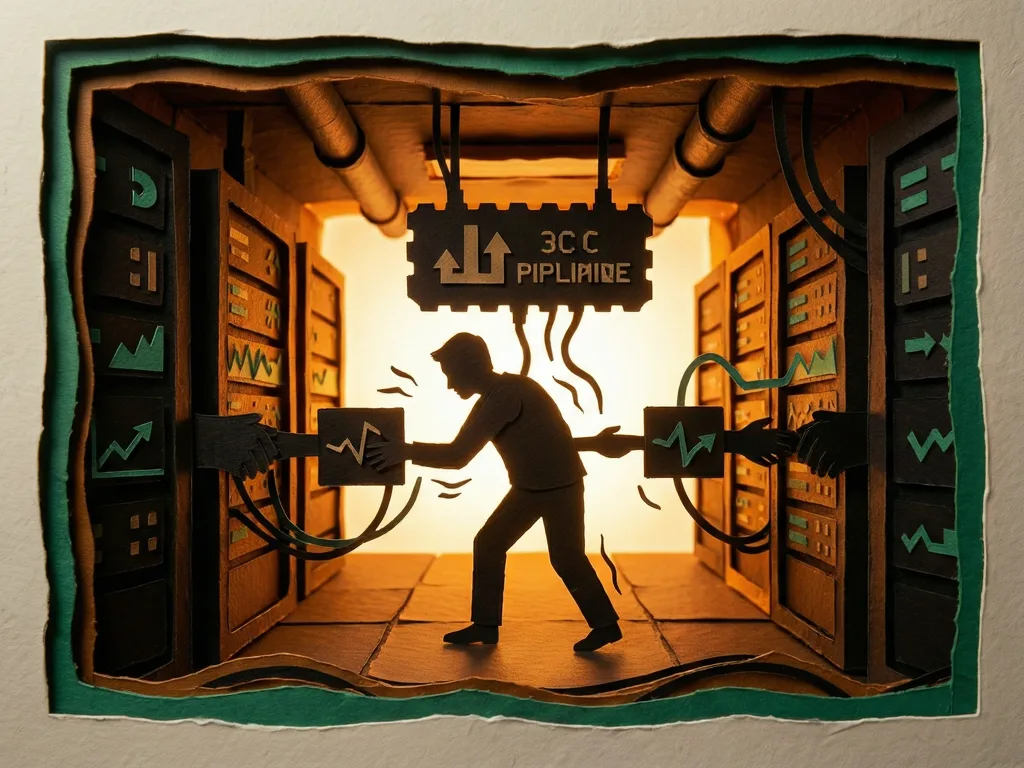
Such experiments gave the development team an opportunity to observe how Ethereum 's infrastructure would perform when each block was allowed to carry significantly more computation.
It's not a guarantee that the main grid will be capped at 200 million gas right away.
Switching Sepolia to 200 million gas doesn't mean Ethereum is going to receive the same ceiling immediately.
This experiment is important because adding gas limit can increase the amount of activity at Ethereum , directly processing on layer 1 , but also increases the fixed load and validator must be accommodated. Larger blocks may cause heavier processing, increasing network status growth, and exposing bottleneck points that are more difficult to see when using low capacity.
Sepolia is therefore a space for developers to address these issues before similar changes are considered for the main network.

Glamsterdam jobs are linked to creating and processing blocks.
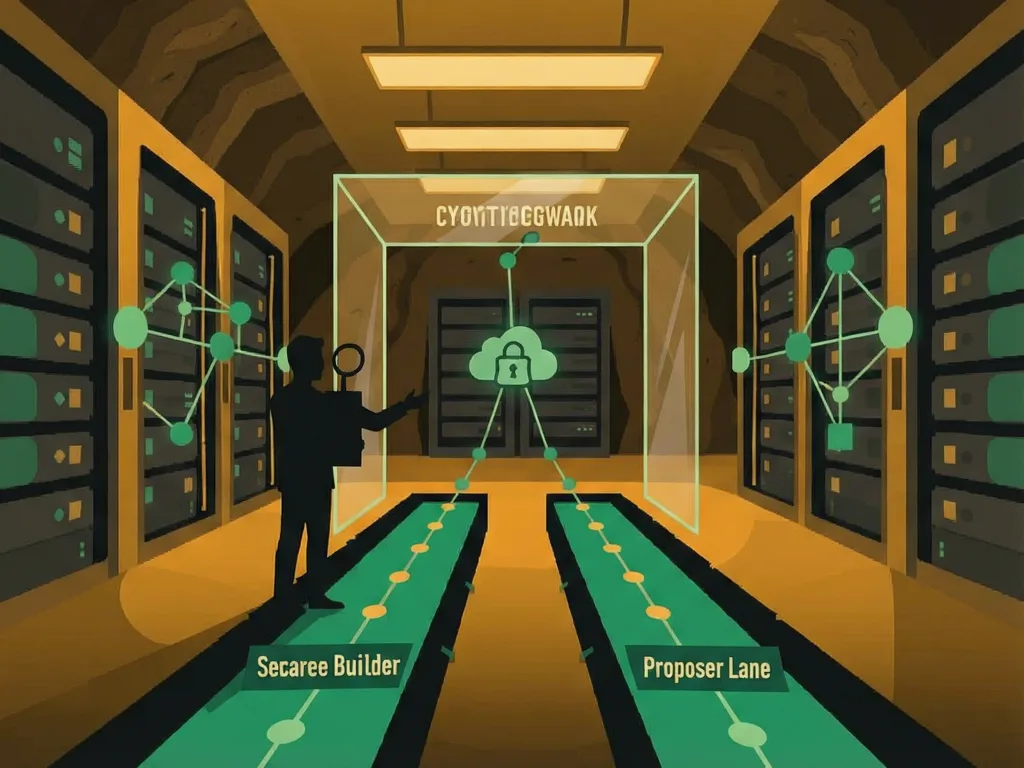
Recent testing has occurred in tandem with the Glamsterdam development, including work on Enshrined Proposer-Builder Separation and Block-Level Access Lists, both aiming at profound changes to how Ethereum builds and processes blocks.
In particular, Block-Level Access Lists are designed to make it easier for clients to understand which parts of the network state a block will touch. This has an effect on parallel processing because individual sections of blocks can be processed more efficiently rather than each operation being considered as a strictly sequential workload.
Prysm validator is setting parameters in advance.
The client software also had to be adapted, as Prysm released an update with validator parameters for Sepolia's higher gas target values prior to testing.
Therefore, the 200 million gas figure should be seen as an endurance test rather than a promise to become the ceiling of the main grid directly.

Scaling strategy: Increase layer 1 with support of rollups
Ethereum 's later expansion strategies focused on improving the capabilities of layer 1 along with relying on rollups to accommodate the business growth that users encountered for the most part.
The two approaches are not in conflict, a stronger foundation can give rollups more scope to transact and also make the business of Ethereum less directly constrained.
What the developers have to do is prove how far they can push this capacity without compromising network stability or making unreasonable hardware requirements.
Effects that may be seen from Sepolia
Now, Sepolia is helping to answer the question at 200 million gas. If the network manages its experiments properly, the results will provide further evidence for developers of how far layer 1 's future transmission capacity has progressed in continuous upgrades.
A word of caution.
This article is for informational purposes only, not investment advice. Highly volatile digital assets are educated and intuitive.
Related articles



Comments (0)