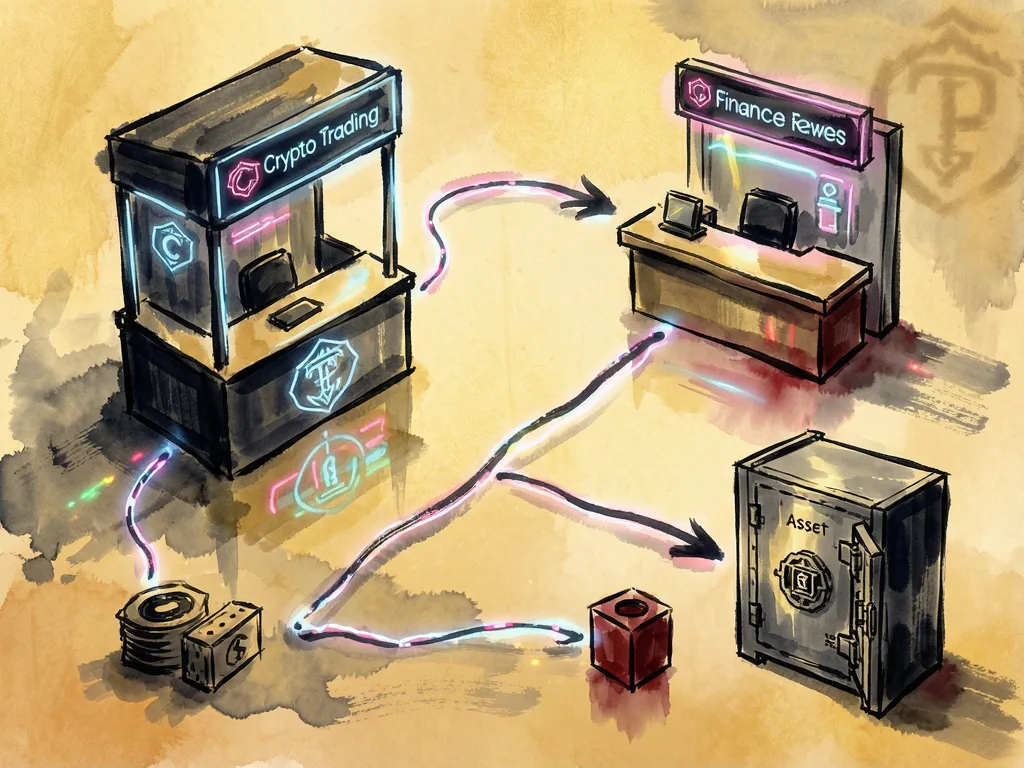
Payward, the parent company of Kraken has invested billions of dollars into financial infrastructure, not just crypto trading platforms.
#Eight hundred and eighty thousand#The infrastructure#It's called digital finance#Payward#The financial platform
A centralized digital finance platform: Build, buy or collaborate
What's this about?
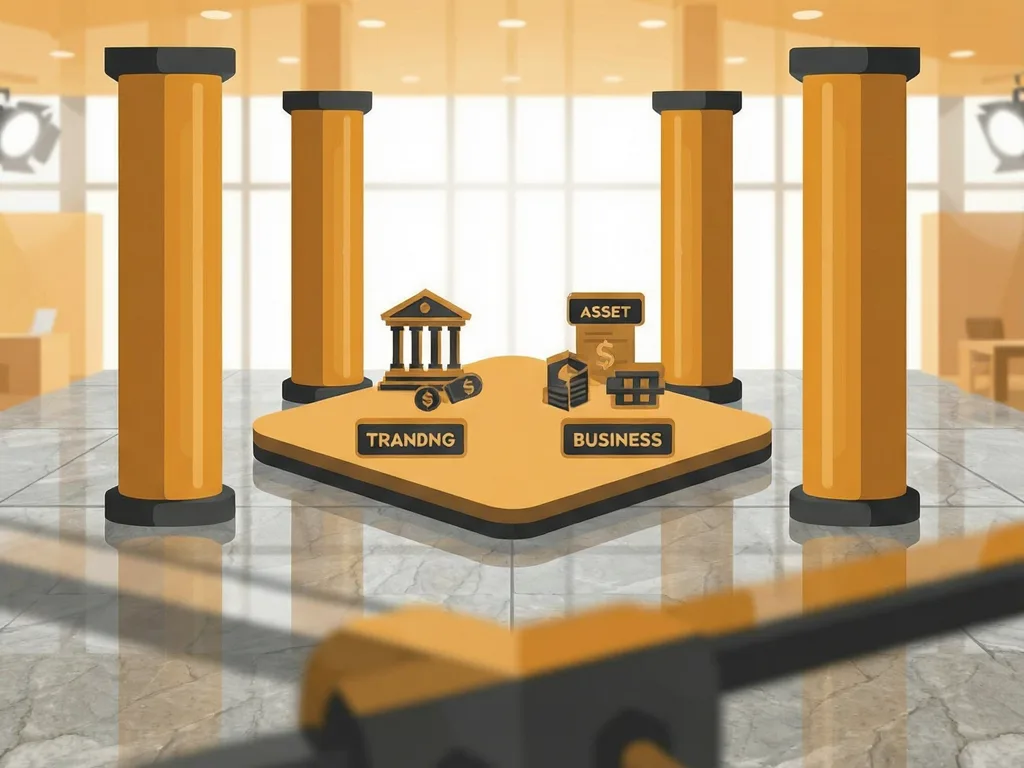
Payward is positioning its business infrastructure around Kraken to become a centralized financial platform, dividing the vision into four main areas: buying and selling through Kraken , banking services, asset management, and Payward Services, an infrastructure business unit for the business-to-business sector.
Kraken has approximately 6.6 million customer-deposit accounts, and those accounts hold assets worth between $40 billion to $50 billion, covering more than 190 countries and territories. According to Sethi's data, this figure enables the company to see an opportunity for expansion that draws from its existing client base instead of being a purely sales platform.
Why is expansion important?
Payward said it is adding services around customer accounts, including cards, lending, derivatives and tokenized equities as well as products that allow customers to borrow with collateral or use assets in decentralized -finance applications.
Kraken Financial, a special-purpose depository institution chartered in Wyoming, is part of this structure that integrates retail banking, asset management and corporate structures so companies need the full spectrum of licenses, systems and connectivity.
Build, buy or cooperate.

Sethi notes that Payward doesn't have a shopping list and isn't open to bankers pitching continuously, but uses a quantitative framework to consider whether the deal fills in infrastructure gaps and provides features customers want.
The deal-option is that the company builds some of its own talent, buys something it can recycle for years, and partners with institutions whose status or licenses cannot be purchased directly.
The deal that the company chose to buy.
Payward paid $4 billion in the acquisition of NinjaTrader to create a U.S. futures brokerage, including technology and regulatory permissions which Sethi noted would have been expensive and time-consuming if built on its own.
Payward subsequently acquired Bitnomial for $5 million to add a regulated derivatives infrastructure including an exchange, clearinghouse and futures brokerage.
In addition, Sethi stated that the company was going to buy banks in Europe but did not disclose who bought it. Bloomberg had reported in July that Payward planned to purchase a bank in Lithuania to expand its operations on the European continent.
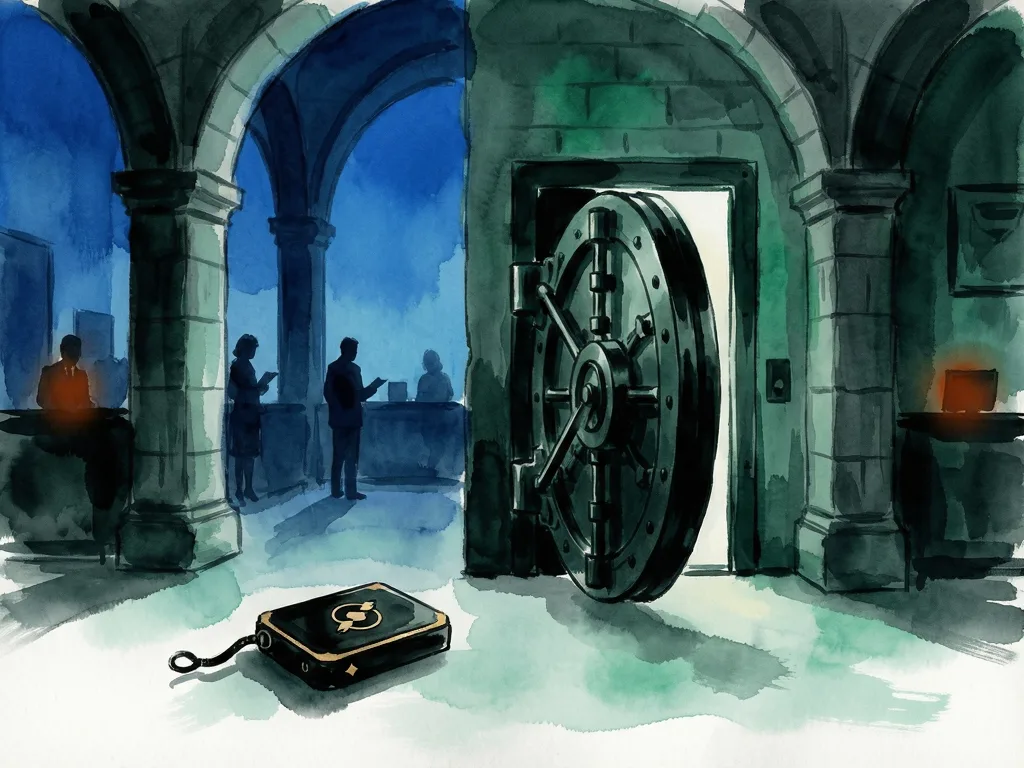
This section of Payward's acquisition data appears in a report by CoinDesk citing Payward.
Impact on users and the Thai market
For Thai readers, the expansion of Payward and Kraken reflects that global digital asset platforms are competing with one another for comprehensive financial services, not just buying or selling digital assets, so users may see more card-related services, lending, asset management and business infrastructure in the future.
When estimating business size from a value of $40 billion to $50 billion or a fair value $1.5 billion and $550 million, Thai readers may need to make comparisons in terms of the baht ( THB ) at the exchange rate on the date of auditing but should not view these figures as guarantees of service or returns.
In Thailand, digital asset users must comply with the regulations of the Office of the Securities and Exchange Commission (SEC) SEC and consider services from Exchange Thai such as Bitkub in tandem with foreign platforms because a license abroad does not always mean that the service is open for direct use by Thais.
Payward's move signals a trend of digital platforms relying more heavily on banking, derivatives licensing and asset management. But for users it is important to check what services are available in Thailand, how well they cover the risks and whether there is clear oversight regulation.
It's a warning.
This article is for information only, not investment advice. Highly volatile digital assets should make rational decisions.
Related articles



Comments (0)