
Bitcoin may be able to get shielded-style privacy in the style of Zcash soon, without changing network rules.
#Eight hundred and eighty thousand#The blockchain#The crypt#The privacy#The Zcash
What is this?
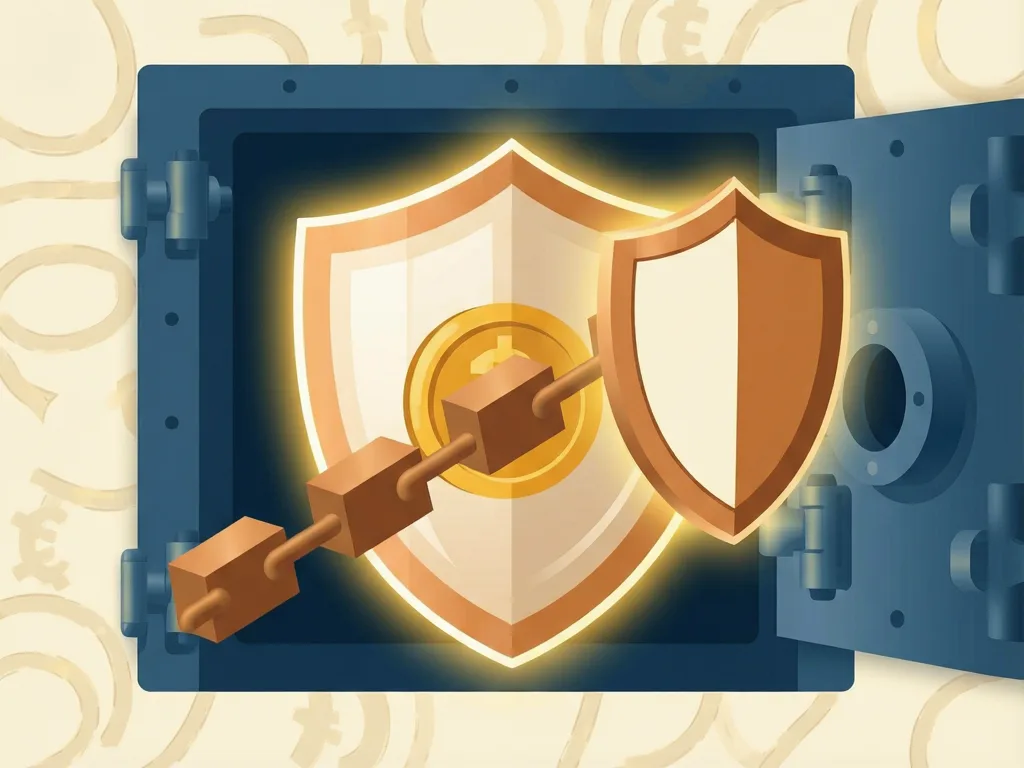
The document describing this approach comes at a time when privacy is becoming more of a practical question, as developers want crypto to be used in real work such as payroll payments, inter-business transactions and everyday spending. Shielded Bitcoin proposes that bitcoin store encrypted transaction data on the blockchain, but bitcoin itself does not verify whether or not it passes private payment terms. Verification would fall to separate software if anyone could run it.
Why does it matter?
A typical Bitcoin transaction permanently discloses amounts and locations to the public. When an address is associated with a company or individual, other payments related to that address are more easily traceable. Shielded Bitcoin attempts to remedy this by storing encrypted data on Bitcoins so that wallet owners can use secret keys to create lists of their receipts from public records, and using unique keys for disclosure to accountants or auditors without assigning rights to use bitcoin funds, thus performing the task of collecting information but not verifying it themselves.
How is Zcash different?
Zcash is at the forefront of this push for privacy again in crypto, where users can choose between a transparent payment channel that displays addresses and amounts publicly, or a shielded one that encrypts those details. This architecture allows control within Zcash's own system rather than putting data on another blockchain to be judged by an external tool.
It's a number that needs to be read.
Data from CoinDesk calculated using data from ZecStats indicates that Zcash's shielded coin pool has an estimated 4.9 million ZEC as of Friday, up 14% from 30 July. This figure accounts for approximately 29% of the coins already issued and is worth about 7.8 billion US dollars after price adjustments. These figures help to show that total use of shielding is not just a concept but there are large amounts of assets in the system.

Impact on readers in Thailand and the region
For Thai readers who buy and sell or hold digital assets through providers such as Bitkub, or within the framework of Thailand's GDPR, this distinction is important because transaction recorded versus verified transactions may not always be the same if future applications use Bitcoin for data storage but allow users to run their own verification tools. The practical risk is that a listing can already be considered confirmed even though its contents are not yet in compliance with privacy protocols.
In regions where some groups may use digital assets as a means of receiving value across borders, it makes sense to separate keys from cash because the recipient might have to present proof to an accountant or auditor without opening any transfer rights. So this design is about security and control, not just hiding transactions.
The reader should be able to distinguish between what is stored and what is checked.
The main difference is that Zcash encrypts verification with its own blockchain, whereas shielded Bitcoin puts data on top of bitcoin and then lets other software check it. This distinction affects the meaning of "authenticated", and makes privacy and auditing need to be designed in tandem, so a common user should separate out which platform stores what information, checks what, and which keys are authorized to do what.
It's a warning.
This article is a compilation of information, not investment advice. Highly volatile cryptocurrencies should be studied and decisions made carefully.
Related articles



Comments (0)