
South Korea is back to considering banning Market Maker... from the Korean marketplace.
#Eight hundred and eighty thousand#It's a digital asset#The JPYC#The market maker#South Korea

What's this about?
News reports indicate that South Korea is reviewing measures to ban or restrict market makers in the digital asset market. The backside of JPYC token has a four-fold impact on Upbit major crypto trading platforms in South Korea.

Who built the cage?
A liquidity builder is an agency or account that places buy and sell orders on a trading desk so that ordinary users can match orders faster, and prices don't jump too high when there are large volumes of trades. In crypto markets where many assets have limited liquidity, this role is critical to the experience for both buyers and sellers, but it has certain aspects that need to be checked because liquidity creators may see more order movements than average players, or they may have conditions that allow them to gain price and time advantage.[1]
Why is this news important?
The four-fold swing of the JPYC on Upbit leads regulators to question whether such events are caused by normal market conditions or there is a box structure that makes prices move too violently. In the former case, regulation may be based on disclosure and board standards, but in the latter case, South Korea tends to add restrictions on chart makers such as box assignments, business reporting, or prohibit certain forms of activity that could affect price.
For the South Korean crypto market, this news is important because Upbit has influenced the price and volatility of many digital assets in Asia. The regulatory changes there will not only affect users in South Korea but could also impact trading partners, liquidity and sentiment on a wider market.

What does this mean for Thai users?
In Thailand, the news is not a rule that directly applies to the SEC (Thailand) or Bitkub but an example of market structure risk that users of digital assets must understand. The Thai market is under the framework of the SEC (Thailand) , and bars are allowed where prices or values displayed in the app are quoted as baht ( THB ) or converted from global trading counterparts.
What users need to keep an eye on is not just the word prohibiting a vulnerability creator, but looking in detail at how the new rule defines it, what boards it applies to and when it's enforced, because the language of the rule determines whether events like JPYC are considered systemic risks or specific cases.
It's affecting users in Myanmar.
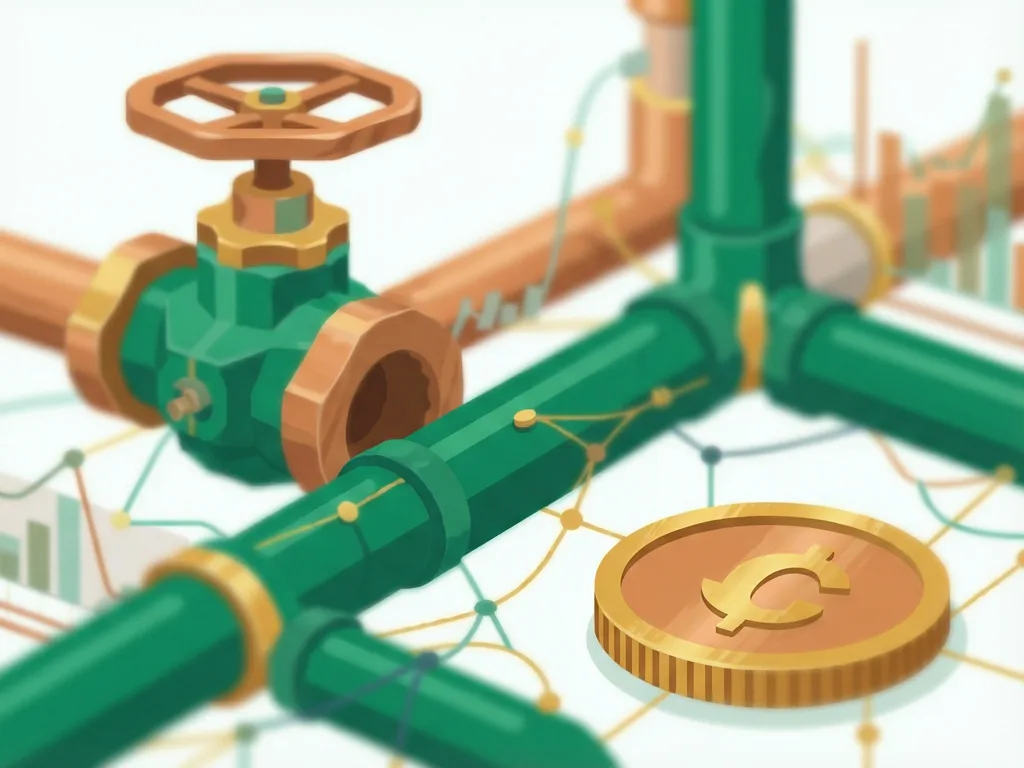
For users in Myanmar who may be using digital assets for value transfer, savings or access to more complex financial services than the local system, moves from South Korea are relevant through a global market bubble. If big boards regulate or restrict bubble creators, some trading pairs might have temporarily lowered bubbles, causing actual buy-sell prices to widen even if on-screen quotations were similar.
Users should therefore be aware of the announcements made by local authorities, the availability of real money channels and the volatility of actual trading pairs because in contexts where financial and regulatory frameworks are often unstable, liquidity and regulation risks can be just as important as price fluctuations.
It's important to know.
This news reflects that the crypto market is entering an era where regulators are not just looking to see if prices go up or down, but whether the market structure helps justify price. The four-fold reversal of the JPYC on Upbit was a point at which South Korea began reconsidering its role as a creator of volatility and could be a signal for other markets in Asia, including users in Thailand and Myanmar, to understand more about volatility mechanisms rather than viewing prices as single figures.
It's a warning.
This article is for informational purposes only, not investment advice. Digital assets are highly volatile; prices can fluctuate wildly. Investors should study the information carefully and use intuition to make their own decisions.
Related articles



Comments (0)