
California has banned state officials from issuing coins under a new Newsom law.
#There's a coin#It's a digital asset#The laws of crypto#I'm going to California#This is Gavin Newsom

What's this about?
The state of California has enacted a new law prohibiting public officials and government employees from issuing memes, with Governor Gavin Newsom signing the Assembly Bill,2409 which was written by Senator Avelino Valencia (D-Anaheim County).

Not only does the law prohibit state officials from issuing coins, but it also prohibits digital asset providers from registering certain types of coins for sale if they are issued by or in cooperation with federal, state or local government authorities and issued after January 1.2027
Why is this important?
The legislation comes amid increased scrutiny of politicians issuing or profiting from crypto tokens, most notably U.S. President Donald Trump and his family who have built massive businesses in digital assets.
Newsom's public relations office directly linked the bill to Trump's bitcoin efforts, accusing the Trump administration of "corruption on an unprecedented scale", while Newsom himself added that "no official should profit from his position" and called Trump a "fraud".
What does the law cover?
AB2409 defines a coin as a digital asset that is "marketed based on its connection to" the Internet, current events or trends and whose primary value comes from "public interest, profit-making or community involvement".
The primary prohibition is that no state official or employee may issue a coin, and the trading registration restriction applies to coins issued from January 12027 onwards when such tokens are offered by or in conjunction with federal, state, or local government officials.
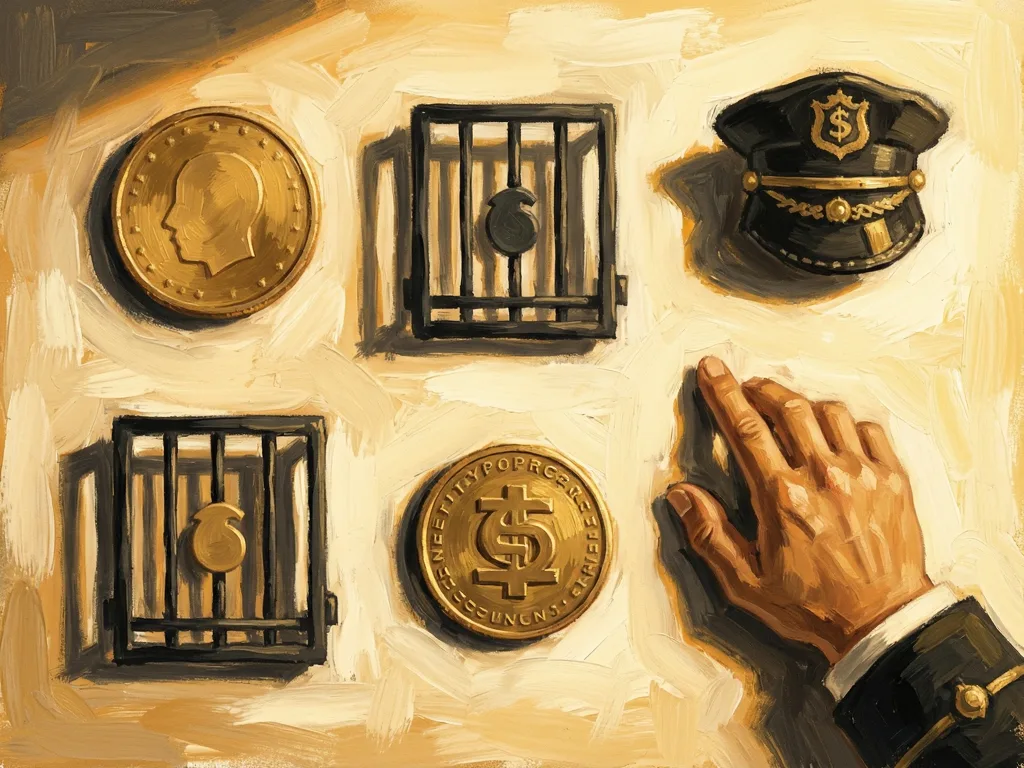
So this bill is not about banning all coins in California, but it's targeted at the people who connect with state agencies and create a liability burden for digital asset platforms that serve Californians.
Who enforces this law?
The law empowers the California Attorney General, district attorneys, city prosecutors and municipal counsel in costly litigation to enforce restrictions including restraining orders and extortion.
Behind the feds.
The California law comes as members of Congress are debating whether state officials should be allowed to issue or profit from crypto assets while in office.
In July, Senator Kirsten Gillibrand (D-NY) again called for legislation to prohibit politicians and spouses from issuing or promoting digital assets including coins. The proposal came after Trump disclosed more than $1 billion in crypto-related earnings over the past year,[34] which included more than $635 million worth of TRUMP tokens on Solana's network.[35]
The issue has also become part of the federal Clarity Act negotiations, with a September version containing provisions that would allow state attorneys general to impose restrictions on officials issuing or sponsoring digital assets, along with requiring those officers involved to either sell some crypto-assets or place them in qualified blind trusts. However, Congress was unable to push through the passage of this landmark measure, leaving the federal ethics rule unresolved.[citation needed]
Other measures that come with it.
The bitcoin ban is just one of several bills signed by Newsom that deal with fraud, consumer protection and financial crime.

The Senate Bill,1208 authored by Senator Tim Grayson (Congress Democrat), expands California's anti-money laundering laws to include transactions involving digital assets. The measure also establishes procedures for law enforcement officers to seize and confiscate digital assets linked to specified crimes, with the bill providing for distribution of stolen property to victims; this extended provision on digital assets expires on January 1.2032
Under the Act, law enforcement officers can request a warrant to seize digital assets, wallets or accounts when there is reasonable cause to believe that such assets are proceeds of crime or have been used to facilitate specified crimes. The Act also establishes procedures for asset seizure and suspension of claims against confiscated property.
What this means for Thai readers
For the crypto industry, these laws add another layer of statehood to an increasingly complex U.S. regulatory landscape as Congress continues to debate federal marketplace frameworks and regulators issue their own rules.
Newsom's office had previously positioned crypto ethics as part of a broader campaign against conflicts of interest involving the Trump administration. In December,2025 state governors launched websites criticizing Trump's amnesty for individuals in the cryptocurrency industry, including Binance founder Changpeng Zhao, Silk Road creator Ross Ulbricht and BitMEX executives.
For readers who follow crypto markets in Thailand and Asia, this development reflects a trend where governments around the world are paying more attention to the link between politicians and digital assets, which could influence future regulatory trends in the region.
It's a warning.
This article is just a collection of information, not investment advice. Cryptocurrency prices high volatility, educate and make informed decisions.
Related articles




Comments (0)