Solana's AlpineGlow is entering the test phase, set to confirm a deal within 150 milliseconds.
#The blockchain#Solana, what are you doing#The test network#The business#Alpine Glow
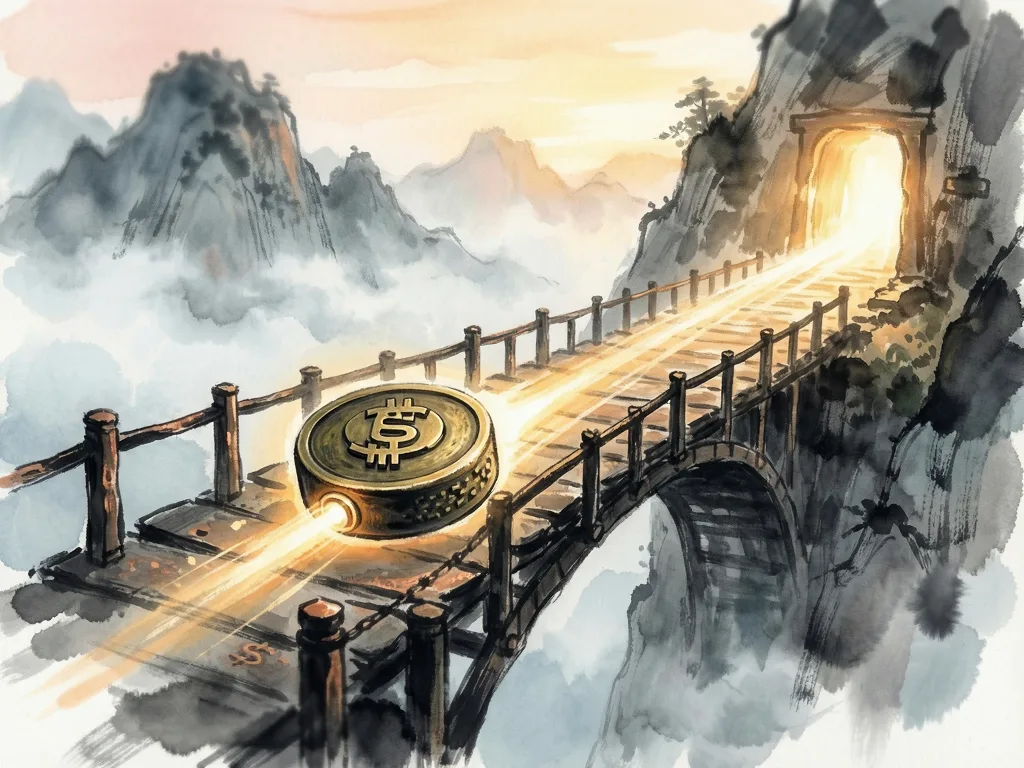
Solana's AlpineGlobe is beginning to switch over on the test network and Defnet target, reducing time from 12.8 seconds to 150 milliseconds.
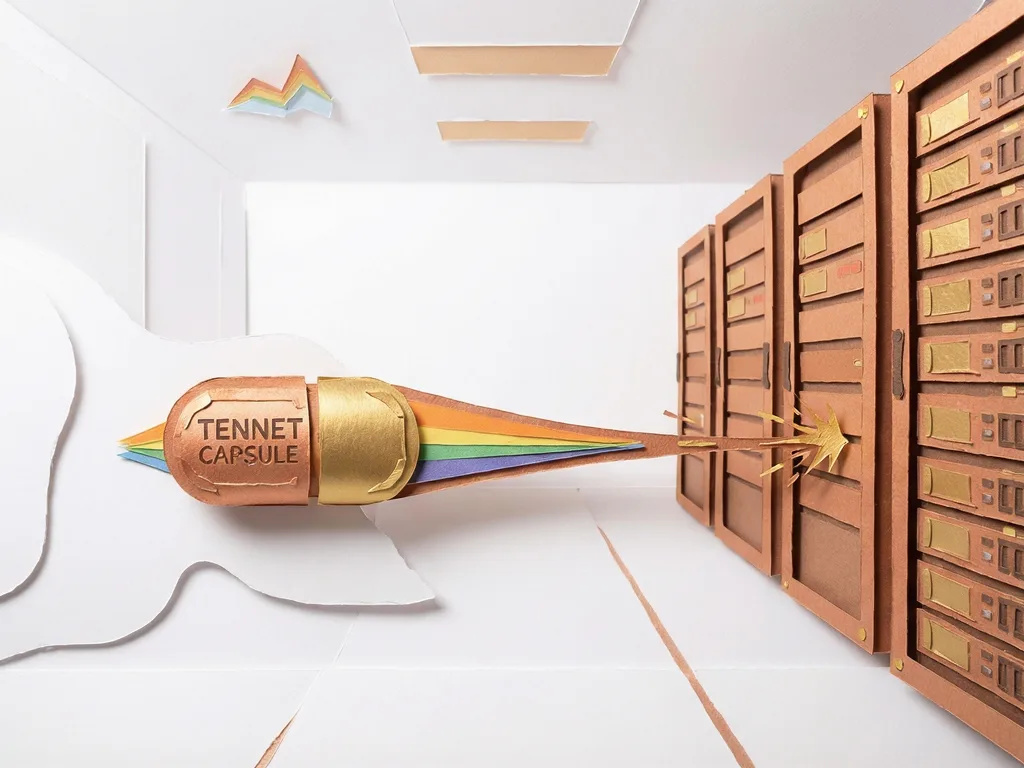
What is Alpenglow and how important is it to Solana?
AlpineGlobe on the Solana network ((SOL)) has entered a transition phase on public test networks and Defnet for developers, with the main direction being to reduce transaction validation time from about 12.8 seconds to around 150 milliseconds before upgrades are implemented on Mainnet.
Transaction validation time is the amount of time it takes for a network to verify and certify that an item has actually been completed. As this value decreases, blockchain-based applications relying on speed such as payments, transfers or interactions with centralized protocols may respond more smoothly to users.
Why is this news an important step for developers?
Switching over to the public testing network and Defnet is important because it's an environment where developers can test new functionality before actual users on the mainnet experience changes. If there are errors, the developer can inspect them and make improvements before rolling out to the core networks.

The official page of the Solana Foundation (the Solana Foundation), updated in September, states that test network and Defnet gateway functions have been activated while Mainnet has not yet been upgraded and Alpenglow's business authentication target is about 150 milliseconds.
Anza announced the switch on Defnet after a test network switch occurred one day earlier. This follow-up announcement shows that the team involved is organizing experiments in a phased testing environment prior to entering mainstream networks.
From 12.8 seconds to 150 milliseconds, how would the user feel?
For the average user, the numbers 12.8 seconds and 150 milliseconds may be technical details but both reflect a different usage experience. If businesses verify faster, users who submit listings or wait for status on an app might see quicker responses, especially in cases where urgency is required such as payments or asset transfers via a decentralized protocol.
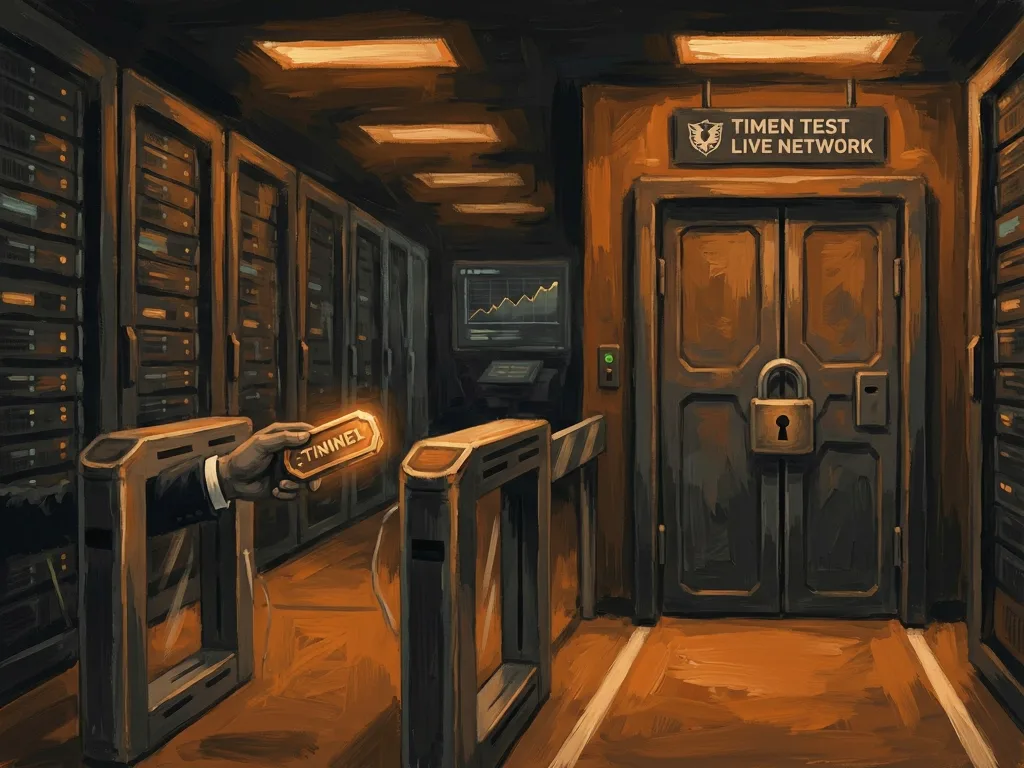
However, this change has not yet been implemented on the Solana mainnet ((SOL)), according to the indicated information. So real users of the core network do not have to expect that 150 milliseconds will happen immediately; developers and users should monitor when the core networks are upgraded.
Affecting users in Thailand and Myanmar
Thai users tracking Solana ((SOL) through digital platforms such as Bitkub or providers that may have the asset for sale should distinguish between faster networking and a price in baht, because technical updates do not directly determine market value. The exchange rate of baht also depends on the landscape, needs and conditions of each platform.
Faster transaction confirmation networks may be beneficial to the use of decentralized services in the region, including female users who might use Solana's network (SOL) for transferring or accessing blockchain applications. However, the real impact will only become apparent after a mainnet upgrade and users should check announcements from local platforms or relevant regulatory agencies such as Thailand's Securities and Markets Commission Office for digital asset service provision.
The limitations of this story.
The information that appears as switching status on the public test network and Defnet is not a confirmation of when Menet will be upgraded, nor is it a value assessment or buying advice for general users. It's important to follow announcements from Solana ( Solana Foundation) Anza (Anza) and platform used in order to understand how new functionality affects real-world experience.
It's a warning.
This article is only a collection of information on blockchain technology and networks. It does not serve as advice for investing or trading in digital assets, however the price of digital assets are highly volatile and can be affected by many factors. Investors should study the data themselves, verify reliable sources, assess risks, and use cautious intuition before making decisions.
Related articles




Comments (0)