
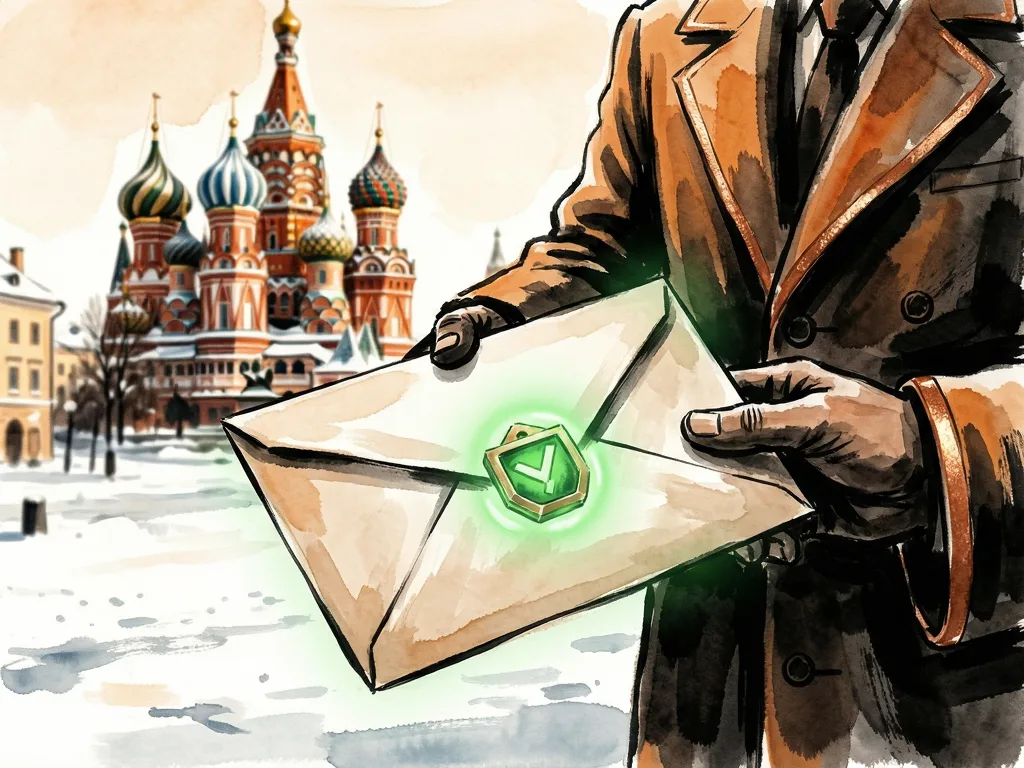
Russia started accepting applications for digital asset trading platforms on October 5.
#The bitcoin#The rules#It's a digital asset#The Russian#A trading platform
Russia opens to digital asset trading October 5: What retail investors should know
What's this about?
The Central Bank of Russia disclosed on September 24 that it had completed the registration process for digital asset trading exchanges and digital asset receiving institutions, with regulations coming into effect as of October 5 and opening applications from that date forward. Exchanges wishing to legally operate in Russia must pass a central bank inspection before entering the relevant registry.
Why is it important to the Russian crypto market?
The move reflects a shift from regulating digital assets in principle to placing registries and mechanisms for verifying real providers into the market's infrastructure. As registration requests are opened, trading venues and depository institutions will have to prepare more documentation, qualifications, consumer protection and compliance with procedural regulations while general investors will see greater clarity on who is providing services under the register of the Central Bank of Russia.

How would that affect retail investors?
For those who have previously bought and sold through unofficial channels or via foreign providers, the opening of the registry may make domestic Russian markets more auditable options in the future. However, this does not mean that all listings for digital assets will be immediately available to buy and sell. Even Bitcoin (BTC) is mentioned as part of a listing that retail investors can access, but the actual scope still depends on separate regulations.
How should we proceed?
For crypto entrepreneurs, the news means licensing readiness assessments, audits, risk management and user communications; for foreign market watchers, Russia's move may be an example of creating a state-regulated channel, but the magnitude of its impact on liquidity, price or trading activity cannot be concluded until separate regulations reveal details.
For readers in Thailand, although this regulation is internal to Russia, it's helpful to understand that crypto markets around the world are entering a system of registries, regulators and specific rules for more tradable assets. Thai investors should therefore embrace the the SEC (Thailand) office framework and the terms of platform licensed in Thailand as a matter of principle because some types of digital assets may be listed on foreign exchanges does not mean they can automatically be bought or sold in Thailand.
It's a warning.
This information is just news, not investment advice.
Related articles


Comments (0)