
Ledger warned that the quantum risk may be wider than thought after 30.2% Bitcoin public keys were exposed.

The data from Glassnode states that bitcoin (BTC) number6.04 million coins are in a public key exposure situation, so the question holders should be asking is not how many coins have already seen the key alone but rather how many more keys may have been exposed through other channels because risk assessments on blockchains might not see the whole picture.

6.04 What are the millions of coins whose public keys appear on a network?
In the Bitcoin network, proof of ownership is based on a digital signature that can be verified with a public key. Usually, the recipient may use an address where the public key has been hidden by hashing it; however, when funds are used from an unused address or set of coins, the transaction will bring the public keys back onto the blockchain for the network to verify their signatures.
The data from Glassnode thus indicates that the number of bitcoins6.04 in a public key detectable state on the network is millions. This figure is often used as a rough criterion for assessing how little quantum computing vulnerability exists, but it also provides an incomplete answer to whether or not keys which appear undisclosed may otherwise escape.
Why would a key hidden by the hash still be vulnerable?
Charles Guimet, Ledger's chief technology officer explains that the risks of quantum computing may be broader than onchain-detected public key counts because even hashed bitcoins do not yet display a public key on the blockchain, but those keys can be revealed through tools and data around them.

Examples are xpub, which is the data used to generate addresses and check account status in a hierarchical wallet; PSBT-type transactional authentication devices may store some of this information for ease of signing; and registers or backup files might also have public keys. If these were accessed by an unauthorized person, the previously hidden public key could actually appear on the blockchain even if only the hash of the address was visible.
How do applications, databases and backup files extend the disclosure key?
The critical issue is not just the reading of data on a blockchain, but the entire lifecycle of the transaction from pre-delivery to post-deliverance. Users may create multiple sets of addresses in advance, use hardware wallets for authorizing transactions, or store backup files on other machines. These channels allow public keys to be disclosed before a transaction goes onto the blockchain and can be re-disclosed through connection logs or unmanaged backups.
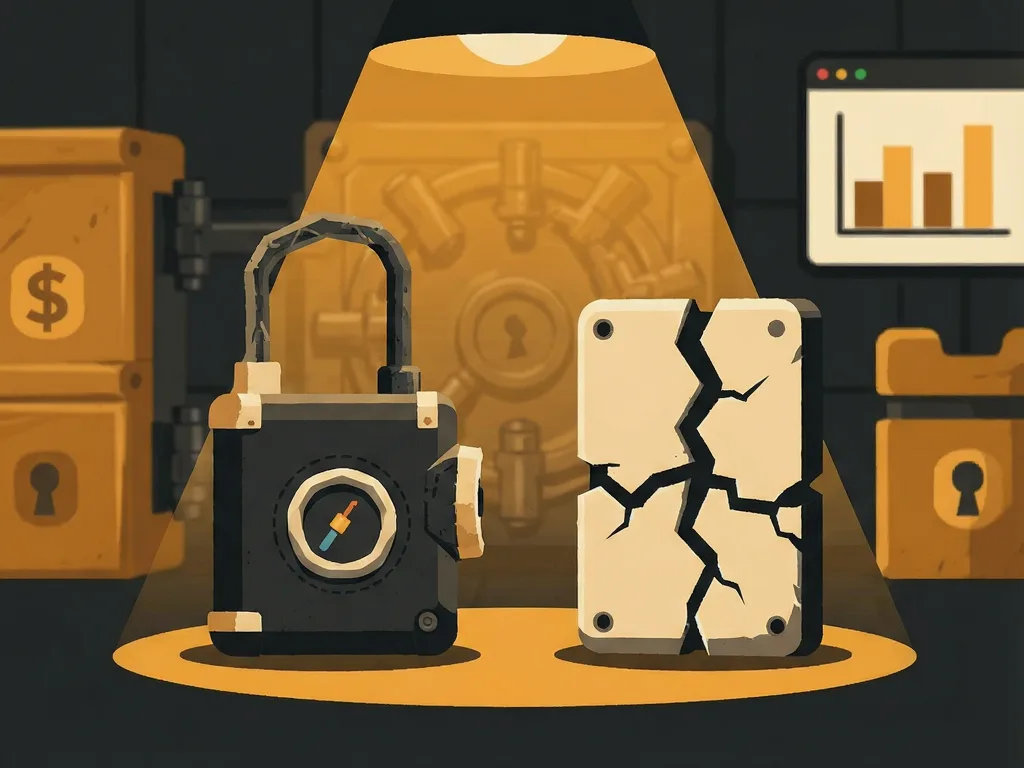
When a transaction is initiated, the public key appears on the blockchain to be used for signature verification. This means that coins which appear secure because they are not yet in use may be exposed during future transfers or sales; thus, the number of millions of coins is only an indication of what has already been detected and not an overall picture of all risks.
How should bitcoin holders and the Thai market view this?
For users in Thailand who buy or hold bitcoins through providers registered with the Securities and Exchange Commission, including platforms such as BitCube, this risk is associated with a way of storing keys and information around them rather than at market price. Long-term coin holders and vulnerable token holders may have different channels from those using public key tokens directly.
This issue also points out that security standards for wallets and devices need to look beyond blockchain, because non-blockchain data such as backup files, device logs, and exabytes can allow quantum computer vulnerabilities to be broadened. Converting value into currency may help reveal the size of assets held, but key and backend risks are another layer that must be monitored in tandem.
A warning.
This article is just a collection of information, not investment advice. Digital assets have high returns so please make rational decisions
Related articles





Comments (0)