Cash flow to the fund is Solana ETF exceeding $18... that's a lot of money.
#The crypt#The money's flowing#The Fund#Bitwice#Solana is ETF

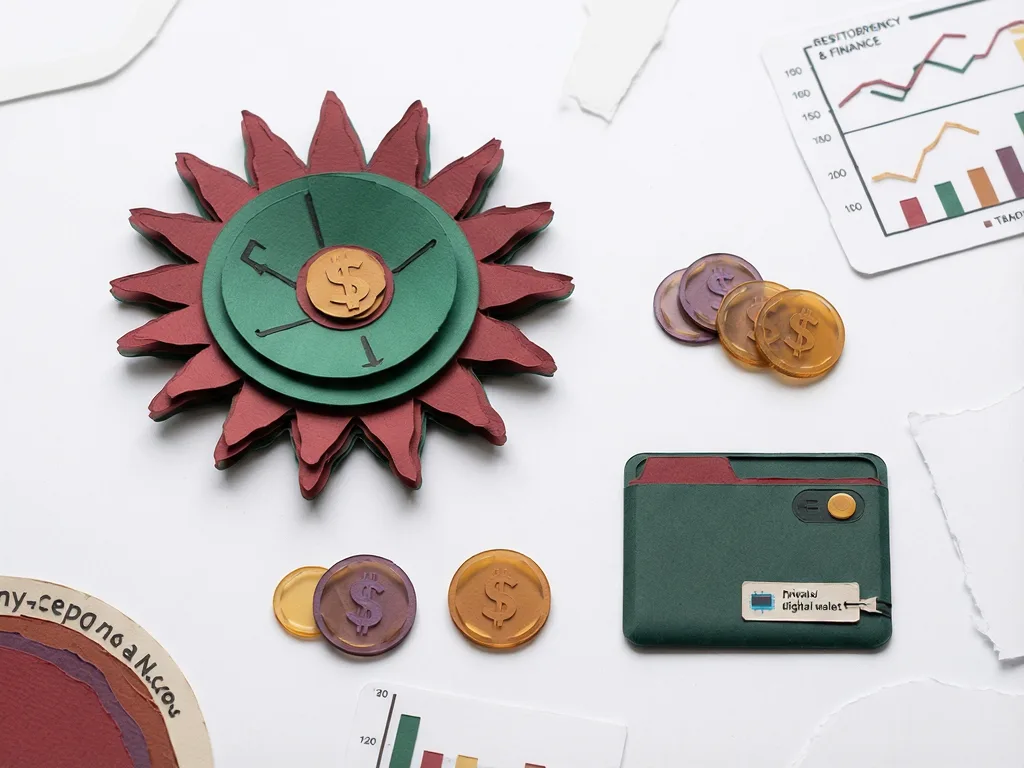
The Solana ETF flowed more than 180 million U.S. dollars in one week, and Bitwise owns almost 70 percent of it.

What is this?
A digital asset pricing fund called Solana, also known as a Solana ETF, received more than US$180 million in flows within one week, and Bitwise's share of such flows is almost 70 percent.
For a first-time reader, inflows are the value that investors or institutions buy units of equity into the fund, not Solana's price and not the fund's profits. When news reports say just over 180 million U.S. dollars in one week, it is important to look at which funds were involved, how proportionate they were, and compare them with weeks of data so you don't make snap judgments.
Why does it matter?
An ETF is a fund designed so that the price moves with reference to an asset. Investors can buy units as if they were buying securities, without looking at their digital wallets or private keys themselves. So when there's a lot of money flowing into Solana ETF in one week, this isn't just about purchasing digital assets; it's also about taking risks through registered funds.
Bitwise's nearly 70 percent ratio also reflects competition among issuers over the same period, although it is not possible to conclude whether Thai investors will actually buy through this company. But if cash flows continue, other funds may have to adjust fees, market depth or supply channels in order to maintain segmentation. Such competition can give investors more options and see clearer terms.
On the other hand, inflows of money can increase demand for reference assets through fund mechanisms but are not a guarantee that prices will rise because digital asset prices also depend on volatility, network reliability, developer updates and ever-changing regulatory risk.
How will this affect Thai investors?
Thai investors often track prices in baht or converted from US dollars, so three tiers should be clearly distinguished: the first tier is inflows of foreign funds; the second tier is the price of reference assets on platforms used by Thai investors such as Bitcap; and the third tier is the SEC (Thailand) 's requirements for access to foreign products or disclosure to domestic investors.

Seeing a figure of US$180 million does not mean that Thai investors are buying the same value, and it doesn't mean that the price of Solana will rise immediately. The inflow is demand-side information through funds only, whereas Thai investors may see an impact via domestic platform reference prices, exchange rates and fees rather than seeing direct inflows.
In addition, overseas-registered funds may have different taxation, unit purchase and liquidity risk conditions than digital asset purchases on domestic platforms. Investors should check whether the products in question are actually open to Thai investors and always consult a statement from the regulatory body or fund's documentation.[1]
Things to know before reporting.
This report says that the Solana ETF has received over US$180 million in a single week, and Bitwise accounts for almost 70 percent of all inflows. But it's not an offer to buy, sell or hold.
It's a warning.
This article is just a collection of information, not investment advice. Digital assets are highly volatile and should be studied and analyzed before making decisions.
Related articles



Comments (0)