
Chainlink opens a one-click asset deposit vault across the chain on over 80 blockchains.
#Eight hundred and eighty thousand#The blockchain#He is a member of the Democratic Party.DeFi#Accept the cross of Chen#The cross-chain structure
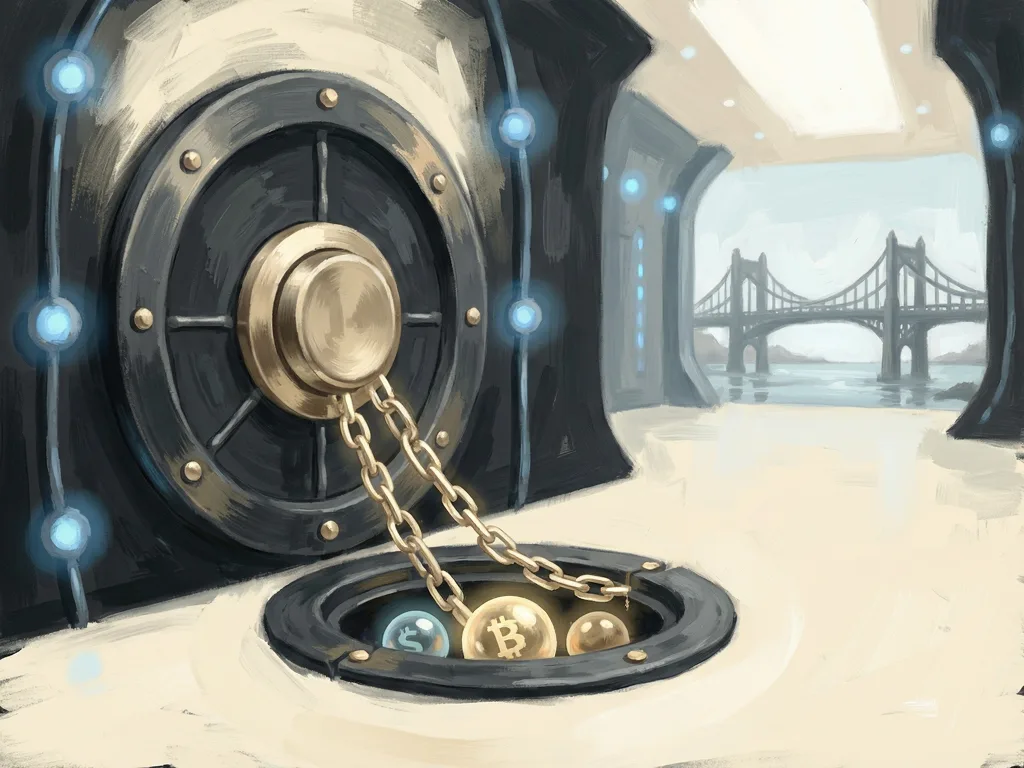
Chainlink launches CCIP Vault Adapters, a distributed central bank that accepts deposits from users on over 80 blockchain networks.

Infrastructure that reduces user steps.
On Thursday, Chainlink provider oracle and its co-workers launched CCIP Vault Adapters, a new infrastructure that allows vaults on a single home network to receive deposits from users holding assets on blockchains supporting more than 80 networks without the user needing to bridge assets themselves.
One of the most intractable problems with decentralized money is not making a profit, but getting people's money into the right network without complicating that intermediate step so Chainlink tries to cut it out.
For the user, it's just a one-time deposit into the vault instead of bridging assets, switching networks and making secondary transactions.
A design that changes the burden of a treasurer.
For a repository administrator, this design may be more important than installing the same set of repositories on multiple networks and then separately sharing their cache state, accounting protocols, strategy logic, and aggregate values locked to only one home network by using cross-chain Interoperability Protocol of Chainlink to send requests from other networks.
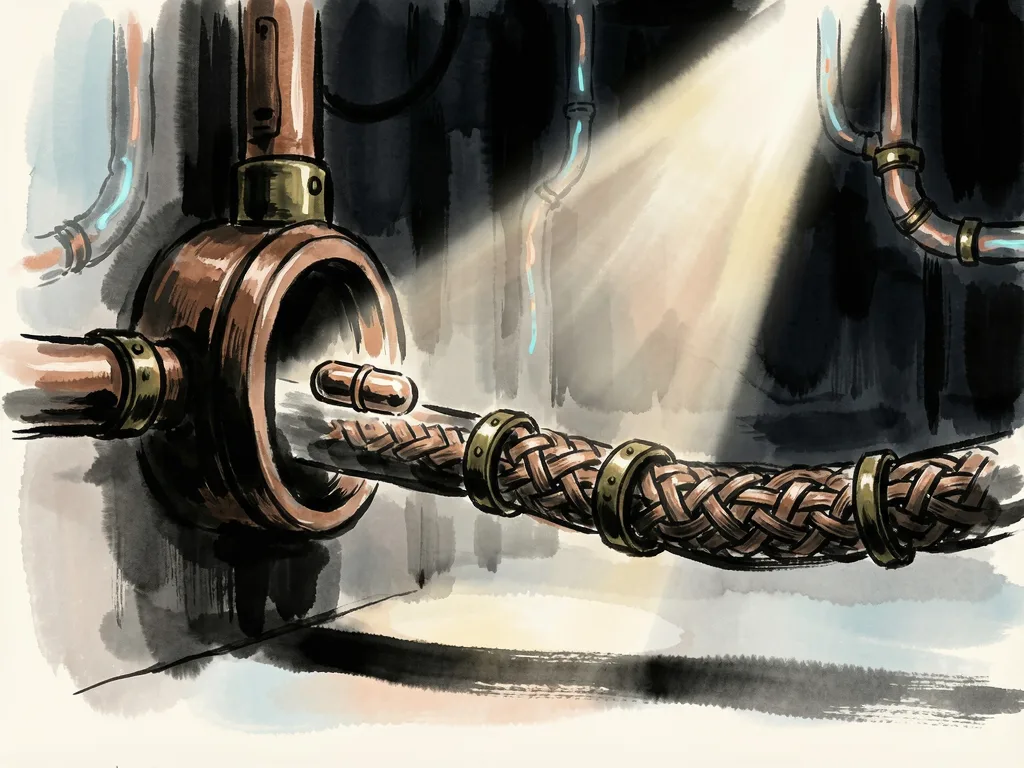
Chainlink specifies that the ERC-4626 standard repository can be connected to a connector via factory contract without writing code over an individual network.
First users and sample cases
Aave , Lombard, Venus and Huma Finance are among the protocols used or being connected to the system. Veda, Accountable and Enzyme are also participating as well.
Real-world use varies, with Lombard being able to transfer deposits of about Bitcoin from one network to another via a strategy implemented on Ethereum , while Aave can extend access to sGHO vaults beyond Ethereum by placing the main vault architecture on its home network.
That's what the cross-network infrastructure should be missing from a user experience before: Cross-networks often require users to choose their own bridges, wait for transaction confirmation, switch networks in your wallet and then work with an endpoint app. Each additional step is where you can easily disconnect.

Cross-network risk is still there, but it's moving into the norm.
There are also security issues. Cross-network systems have been a major source of attacks in the crypto space, and cache connectors don't eliminate cross-netting risk but can shift the request forwarding process from user-facing decisions to standard application architectures built around CCIP.
Chainlink positions the connector as a distributed layer of financial products on the blockchain. This view aligns with the pace at which treasury is becoming more complex because it's combining credit, lending, tokenized assets and structured returns into a product that doesn't look like a centralized money transaction but rather an investment strategy.
Things could change for the market.
The resulting problem is that the funds are still spread across dozens of CCIP Vault Adapters, designed to allow vaults to travel to users without actually moving the vaults themselves.
If this approach works on a large scale, the cross-network experience of decentralized finance may feel less like being part of many separate networks and more like using one single financial market with multiple entrances.
A word of caution.
This article is merely a collection of information, not investment advice. Digital assets have high returns; consult and use your intuition before making decisions.
Related articles





Comments (0)